Home / Blogs / Integrating SEO into Web Development for Enhanced Visibility
Integrating SEO into Web Development for Enhanced Visibility
 SEO
SEO
A beautiful website may catch the eye, but it won’t generate business if it can’t be found. That’s where the intersection of web development and SEO becomes crucial. While many businesses still treat web development and SEO as two separate processes, the reality is: they’re more effective when integrated from the start.
Whether you're building a new site or revamping an existing one, SEO and web design work together for a higher SERP ranking when they're strategically aligned. This not only boosts your online visibility but also enhances user experience, increases conversions, and supports long-term digital growth.
In this blog, we’ll explore why SEO and development need to be collaborative and the five key SEO elements you must address during the development phase for a future-proof website.
Why SEO and Web Development Must Work Together
In the digital ecosystem, your website is your brand’s foundation. But no matter how fast, sleek, or visually engaging it is, if it’s not optimised for search engines, you’re losing out on potential traffic and revenue.
Here's why Web Development vs SEO shouldn't be a competition but a collaboration:
- Developers ensure your website functions well and loads fast.
- SEO specialists ensure your site can be found and indexed by search engines.
- Together, they ensure users not only discover your site but also stay and engage.
By integrating SEO from the start of the development process, you avoid costly redesigns and technical issues down the road. This synergy ensures your web design has purpose, performance, and the power to drive visibility.
Key SEO Elements to Consider During Web Development
Now that we understand the “why”, let’s explore the “how”. Here are five key SEO components every web development agency should consider during the site-building process.
1. Site Architecture and URL Structure
A clean, intuitive site structure helps both users and search engines navigate your content. Poor navigation can result in pages being hidden from crawlers or users abandoning the site due to confusion.
Best Practices:
- Use a logical hierarchy with siloed categories and subcategories.
- Keep URLs clean, short, and keyword-rich (e.g., /services/seo-audit instead of /page?id=1234).
- Implement internal linking to distribute link equity across pages.
Why It Matters:
Good architecture improves crawlability and user experience, two critical ranking factors that directly influence how your site performs in search.
2. Mobile Responsiveness
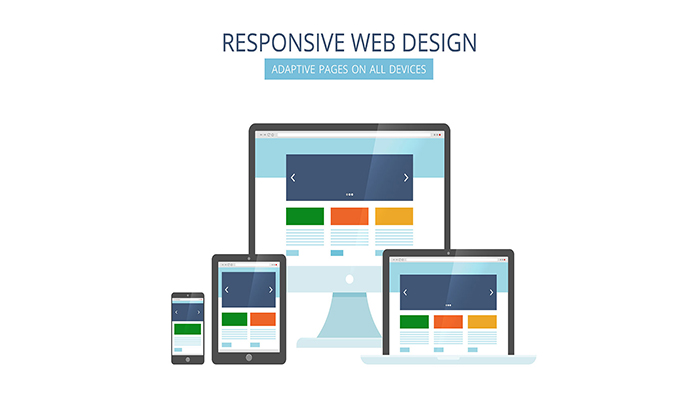
Ask any expert: Is responsive website design important for your business? The answer is a definitive yes.
Key Features of a Responsive Website:
- Fluid layouts that adapt to various screen sizes
- Touch-friendly navigation
- Fast-loading mobile pages
- Optimised font sizes and button placements
A web development agency that prioritises mobile design ensures your site ranks well and delights users on every device.
With over 60% of web traffic coming from mobile devices, Google now uses mobile-first indexing, meaning it prioritises the mobile version of your site for ranking.
3. Page Speed Optimisation
Speed is a confirmed Google ranking factor and a crucial component of user experience. A delay of even one second in page load time can significantly increase bounce rates and reduce conversions.
Techniques to Boost Speed:
- Minify CSS, JavaScript, and HTML
- Use compressed, next-gen image formats (like WebP)
- Enable browser caching and lazy loading
- Opt for a lightweight theme and a reliable hosting provider
When web design is optimised with purpose, speed is treated as a priority, not an afterthought.
4. Indexability and Crawlability
If Google can’t crawl or index your pages, they won’t appear in search results, no matter how well they’re written or designed.
Essential Technical Elements:
- Robots.txt file: controls which pages search engines can crawl
- XML sitemap: provides a roadmap of your site for search engines
- Canonical tags: prevent duplicate content issues
- Noindex tags: block low-value or private pages from appearing in search results
Collaborating with an SEO agency in Mumbai during development ensures that these elements are correctly implemented and regularly maintained.
5. Structured Data and Schema Markup
Structured data (or schema markup) helps search engines understand the context of your content. It enables rich snippets, enhanced search results that can include star ratings, FAQs, product prices, and more.
Popular Use Cases:
- Product pages (price, availability, reviews)
- Local business info (address, hours, phone number)
- Blog articles (author, publish date, headline)
Adding schema to your site improves your click-through rates and gives your business a stronger presence on Google’s results page, which is especially important in competitive industries.
Final Thoughts
SEO and web development aren’t separate lanes; they’re parallel tracks that need to move in unison. A beautifully developed site is only effective if it can be found. Similarly, a perfectly optimised page won't perform if it's slow, clunky, or not mobile-friendly.
The best-performing websites are those where developers and SEO professionals collaborate from day one. This integration leads to a site that looks great, functions smoothly, and ranks well, delivering real business results.
At Verve Media, we bridge the gap between SEO and web development. As a leading SEO agency in Mumbai and one of the best digital marketing companies in Mumbai, we build and optimise websites that are visually stunning, technically sound, and strategically optimised for search.