Home / Blogs / How to Avoid 10 Common Web Design Mistakes That Hurt SEO
How to Avoid 10 Common Web Design Mistakes That Hurt SEO
 SEO
SEO
A stunning website might grab attention, but if it’s not optimised for search engines, you’re missing the bigger picture. Today, web design is about more than aesthetics; it's about performance, structure, and user experience, all of which are essential for SEO success. Unfortunately, many businesses unknowingly make design decisions that damage their site’s visibility.The relationship between website design and SEO is inseparable. If your website isn’t built with both users and search engines in mind, it won’t rank, and if it doesn’t rank, it won’t convert.
In this blog, we’ll explore 10 common web design mistakes that can hurt your SEO and show you how to fix them with SEO-friendly web design practices.
Common Web Design Mistakes That Negatively Impact SEO
1. Lack of Mobile Responsiveness
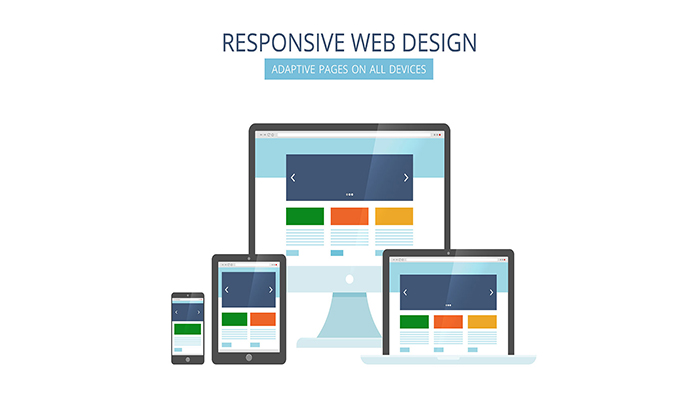
More than 60% of web traffic comes from mobile devices. If your site isn’t responsive, users will bounce, and search engines will penalise your rankings.
A responsive web design ensures your site adapts to different screen sizes and provides a seamless experience across all devices.
Fix: Use flexible grids, scalable images, and CSS media queries to create mobile-friendly layouts. Test responsiveness using Google’s Mobile-Friendly Test.
2. Slow Page Load Speed
Speed matters. If your website takes more than 3 seconds to load, you risk losing half your visitors. Search engines also factor in load speed as a ranking signal.
Fix: Compress images, enable browser caching, and minimise code (HTML, CSS, JavaScript). Use tools like GTmetrix or PageSpeed Insights to diagnose performance issues.
3. Unoptimized Images
Large, uncompressed images slow your site and affect mobile usability, two critical ranking factors.
Fix: Always use optimised images. Convert them to WebP or use lazy loading for below-the-fold content. Add descriptive alt tags for accessibility and SEO.
4. Missing or Improper Heading Structure
Heading tags (H1, H2, H3, etc.) help search engines understand the content hierarchy. Misusing or skipping them can confuse crawlers and dilute SEO.
Fix: Use one H1 per page for the main topic. Follow with logical subheadings (H2, H3) that align with your content structure.
5. No SSL Certificate (HTTPS)
Security is a ranking factor. If your website still runs on HTTP, browsers may flag it as “Not Secure”, scaring off users and hurting trust.
Fix: Purchase and install an SSL certificate. Most reputable hosting providers offer it for free. Always redirect HTTP to HTTPS versions of your site.
6. Poor URL Structure
URLs with random numbers, symbols, or unclear structure confuse both users and search engines.
Fix: Keep URLs short, readable, and keyword-rich. For example, use /web-design-tips instead of /page?id=123.
This is part of effective web design with purpose, ensuring every detail supports clarity and performance.
7. Using Flash or Heavy Animation
Outdated technologies like Flash aren’t supported on most devices and can’t be crawled by search engines. Excessive animations also slow your site down.
Fix: Use HTML5 and CSS3 for animations. Avoid unnecessary effects that distract from the content or disrupt performance.
8. Missing Meta Tags and Schema Markup
Meta tags like 'title' and 'description' help search engines understand your content. Without them, your pages may not rank or, worse, be misrepresented in results.
Fix: Write unique, keyword-rich titles and meta descriptions for every page. Implement schema markup (structured data) to enhance rich results.
This is how SEO and web design combine to increase click-through rates and boost visibility.
9. Complex Navigation and Poor Internal Linking
If users can’t find what they’re looking for, neither can Google. Disorganised menus and orphaned pages weaken your site architecture and frustrate users.
Fix: Keep navigation simple and intuitive. Use internal links to connect related content and establish a clear crawl path for search engines.
10. Not Including SEO During the Design Phase
One of the biggest mistakes businesses make is treating SEO as an afterthought, something to add once the site is live. This reactive approach often leads to costly redesigns.
Fix: Incorporate SEO from the start. A digital marketing agency in Mumbai, like Verve Media, integrates technical SEO, keyword planning, and conversion optimisation during the website development process itself.
After all, web design and SEO impact your search ranking together, not in isolation.
Final Thoughts
Designing a beautiful website is only half the battle. If it’s not optimised for search engines, your ideal customers may never find it. By avoiding these 10 common mistakes and focusing on SEO-friendly web design, you improve both user experience and search visibility.
Remember, web design isn’t just about how your site looks; it’s about how it performs, ranks, and converts. Investing in thoughtful, strategic design ensures your site works for your business, not against it.
At Verve Media, a top-tier digital marketing agency in Mumbai, we specialise in blending aesthetics with performance. Our team of SEO experts and web developers collaborate to build websites that don’t just look great but also improve your website's visibility & authority.