Home / Blogs / The Impact of User Centered Design (UCD) in Website Design
The Impact of User Centered Design (UCD) in Website Design
 in Website Design.jpg) Website
Website
In today’s digital-first world, having a visually appealing website isn’t enough. Users expect intuitive navigation, fast-loading pages, and designs that align with their needs and goals. This is where User-Centred Design (UCD) makes all the difference. More than just a design trend, UCD is a philosophy that shapes how websites are planned, built, and experienced.
By focusing on real user needs, behaviours, and expectations, UCD helps businesses create user-friendly websites that perform better, not just visually but functionally and strategically. In this blog, we’ll explore the impact of UCD in modern web design and how it leads to better engagement, higher conversions, and long-term digital success.
What Is User-Centred Design?
User-Centred Design (UCD) is an approach to web design and development that prioritises the needs, goals, and preferences of users at every stage of the design process. Rather than forcing users to adapt to a digital product, UCD aims to adapt the product to the users.
This design philosophy considers how real users interact with your site, what challenges they face, and what features help them accomplish their goals faster. When applied effectively, UCD creates user-friendly websites that reduce friction, enhance satisfaction, and drive repeat visits.
At its core, UCD acknowledges that user behaviour and web design are intrinsically linked; designing for users isn't a luxury; it’s a necessity.
User-Centred Design Principles: Building Blocks of Effective Websites
To implement UCD effectively, certain principles must guide the design process. Here are the key components that ensure a user-centred approach:
1. Understand Your Users
Conduct surveys, interviews, and usability tests to learn about user needs, pain points, and behaviour.
2. Design for Simplicity
Minimise cognitive load by simplifying navigation, reducing clutter, and ensuring clarity in layout and content.
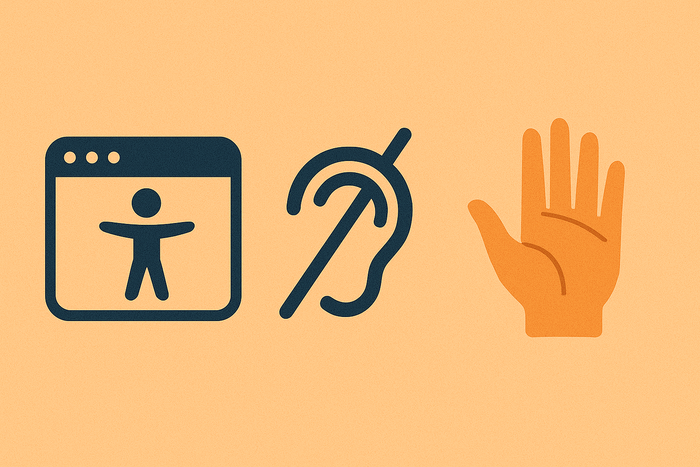
3. Ensure Accessibility
Make your website usable by people of all abilities by following web accessibility standards (WCAG).
4. Maintain Consistency
Use consistent colours, fonts, button styles, and navigation elements to help users feel oriented.
5. Gather Feedback Early and Often
Test prototypes with real users and incorporate feedback iteratively into the design.
These principles make it easier to create a website design with effective SEO, where both the user and the search engine find exactly what they’re looking for.
The User-Centred Design Process: From Ideation to Execution
UCD isn’t just a one-time step; it’s a continuous process that evolves with user behaviour and business goals. Here's how it works:
1. Research
Define user personas, goals, and pain points. Use heatmaps, analytics, and user surveys to understand existing site interactions.
2. Ideation and Planning
Sketch wireframes and create user journeys to visualise the user experience from start to finish.
3. Design and Prototype
Create high-fidelity mockups, interactive prototypes, and responsive layouts to bring the plan to life.
4. Testing and Feedback
Test the design with real users. Use A/B testing, usability sessions, and performance analytics to evaluate effectiveness.
5. Implementation and Optimisation
Launch the site and monitor KPIs continuously. Make improvements based on new user data and feedback.
This process ensures your final site isn’t just beautiful; it’s functional, intuitive, and fully optimised for your users and your goals.
Human-Centred vs. User-Centred Design: Are They Different?
The terms Human-Centred Design (HCD) and User-Centred Design (UCD) are often used interchangeably, but there are subtle differences.
User-Centred Design focuses specifically on the experience of end-users interacting with a product or website.
Human-Centred Design is broader, considering all human interactions, emotions, and contexts, including stakeholders, designers, and users.
In website development, UCD is more focused on user behaviour and web design, making it a more relevant framework when optimising site usability and functionality.
Why User-Centred Design Matters in Website Development
Today’s users have more choices than ever. If your website doesn’t meet their expectations within seconds, they’ll leave and likely won’t return. Here’s why UCD should be at the heart of every modern web development agency in Mumbai.
Boosts Conversions: Simplifying the user journey encourages users to take action, whether it’s signing up, purchasing, or contacting you.
Reduces Bounce Rates: A clear structure and responsive layout keep users engaged.
Improves SEO: Google rewards websites that offer a strong UX, fast load times, and mobile responsiveness.
Builds Trust: A seamless digital experience strengthens your credibility and brand perception.
When done right, UCD isn’t just about design; it becomes a powerful digital marketing strategy that drives business growth.
How a UI/UX Design Agency in India Implements UCD
A skilled UI/UX design agency in India, like Verve Media, goes beyond templates and aesthetics. We begin every project with a deep dive into your users, brand, and market. Here’s how we incorporate UCD into every phase:
User Research & Persona Building
Wireframing and Prototyping
Interactive UI Design
Mobile-First & Responsive Design Execution
Iterative Testing and Optimisation
Content-Driven Design for SEO Alignment
We also focus heavily on how graphic design impacts your website user experience, ensuring every visual element serves a purpose, enhancing both usability and brand recognition.
As one of the best digital marketing companies in Mumbai, our approach ensures your website is not only aligned with user goals but also with your business KPIs, marketing objectives, and long-term SEO plans.
Final Thoughts
In a world where user expectations continue to rise, User-Centred Design is no longer a luxury, it’s a competitive advantage. By putting users at the heart of your website design process, you can create engaging digital experiences that attract, retain, and convert more customers.
From improved navigation and faster load times to emotionally resonant design and better SEO performance, the impact of UCD is undeniable.
At Verve Media, we merge deep UX insights with proven development and SEO expertise to deliver digital experiences that work for your users and your business. We offer full-scale website development and digital marketing services that prioritise user satisfaction and drive measurable results.