Home / Blogs / The Social-to-Search Halo Effect: Why Social Content Drives Branded Search
The Social-to-Search Halo Effect: Why Social Content Drives Branded Search
.png) Social Media
Social Media
Breaking Down the Social to Search Halo Effect in Simple Terms
Most businesses measure social media by what happens on it. Likes, reach, follower growth, saves. While those numbers matter, they only tell part of the story.
There's something else happening quietly in the background. Something that doesn't show up in your social media insights but absolutely shows up in your business results.
It's called the social to search halo effect and once you understand it, the way you think about your social media marketing strategy changes entirely.
Here's the basic idea.
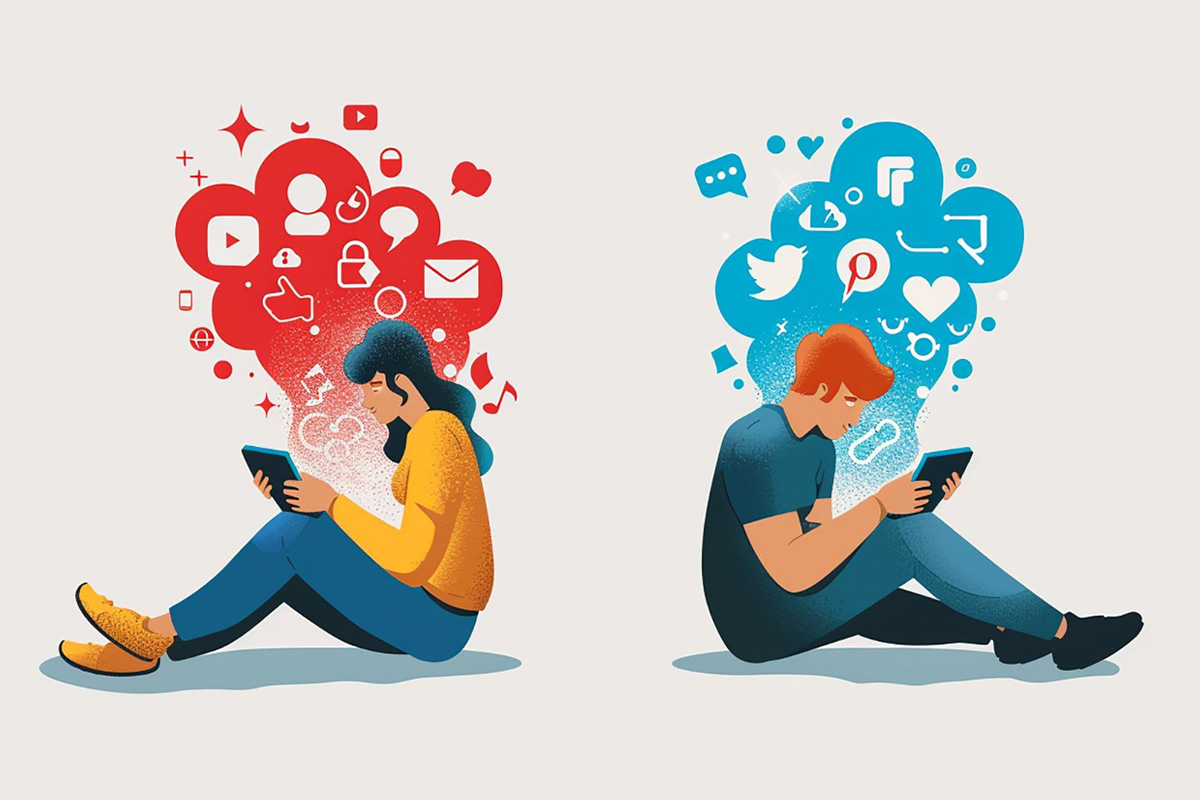
Someone sees your brand on social media, be it a reel, a carousel, a comment you left on someone else's post. They don't click anything. They don't visit your website. They just scroll past and keep going.
But your brand name is now sitting somewhere in the back of their mind.
Later that day, or that week, or that month, when they actually need what you offer, they search your name specifically. That's a branded search that came entirely from a social media interaction that on the surface did not seem to have any effect.
Social content drives branded research.
That is the halo effect. It is the invisible bridge between social exposure and search behaviour. It's real, it's measurable, and most businesses are completely unaware it's happening.
What It Looks Like in Real Time
A brand posts three reels a week. None of them go viral in the traditional social media trends sense. Engagement is decent but unremarkable. Six weeks in, their branded search volume on Google has climbed noticeably with people typing their name directly into the search bar. No new ad campaigns. No PR push. Just consistent social content drives brand awareness by building familiarity with an audience that eventually went looking for them.
This is what the halo does. It doesn't happen overnight and it's rarely dramatic. But it compounds in a way that most paid campaigns simply can't replicate.
Why Social Rarely Drives Direct Traffic, Yet Still Grows Search Demand
Social platforms are not built to send people away. Every algorithm on Instagram, TikTok, LinkedIn, is designed to keep users on the platform for as long as possible.
Clickable links are buried. External traffic is quietly deprioritised. So when brands complain that social doesn't drive website visits, they're not wrong, they're just measuring the wrong thing.
What social does exceptionally well is build awareness at scale. People encounter your brand repeatedly, absorb what you do, and file it away. When the moment of need arrives, they don't scroll back through Instagram to find you. They open Google.
Branded search is not an instant outcome. The gap between someone seeing your content and searching your name could be days, weeks, or longer. Brands that abandon social early because the direct traffic numbers look flat, often walk away from a strategy that was quietly working the whole time. Patience isn't just a virtue here. It's a measurement requirement.
The 5 Triggers on Social That Push People to Google You Later
Not all content creates search intent equally. These are the five things that tend to move someone from passive scrolling to actively looking you up:
- Repetition. Seeing your brand across multiple posts and formats builds recognition. One exposure rarely sticks. Five do.
- Specificity. Content that speaks directly to a problem someone has makes them remember you when that problem needs solving. Broad content gets forgotten. Specific content gets recalled.
- Social proof. A real customer comment, a testimonial in a caption, a before-and-after, all of these create enough credibility for someone to want to verify you further. Google is usually where they go to do it.
- Curiosity gaps. Content that hints at something without fully explaining it like a result, a process, a transformation, makes people want to know more. That curiosity often ends up as a search.
- Creator mentions. When someone a viewer already trusts talks about your brand, the credibility transfers immediately. That viewer is far more likely to search your name than if they'd come across your own content cold.
What Drives Brand Recall And What You Can Do About It
- Using Platform Algorithms
Algorithms decide who sees your content, how often, and in what context. So, post on a consistent schedule rather than in bursts.
Build a recognisable visual identity so your content is identifiable mid-scroll. Stay focused on one clear topic area.
Accounts that talk about everything get remembered for nothing but consistency of theme is what the algorithm rewards and what audiences retain.
- Creating Short-Form Video and Carousels
Use short-form video to build personality, results, answers to questions your audience is already asking. A well-made reel creates brand familiarity faster than almost any other format.
Use carousels to build structured, practical content that people save and return to. Both feed the halo effect. Video gets you remembered. Carousels keep you relevant.
- Comments, Shares, Saves, and UGC
Create content worth saving like checklists, insights, frameworks with practical value. Saves signal that your brand is in active consideration.
Build content people want to share as shares put you in front of audiences who haven't found you yet. Respond to detailed comments because each exchange deepens the familiarity that eventually becomes a branded search.
Pursue UGC actively. A customer posting about you unprompted carries more weight than anything you publish yourself. Ask for it, reshare it, and build creator relationships.
One trusted voice talking about your brand can drive more branded searches than weeks of your own content because people act on recommendations from faces they already follow.
- Establishing Trust on Google
Social introduces your brand. Google is where people decide whether to trust it. Before someone converts, most will search your name first, trying to look for reviews, a proper website, anything that confirms you're legitimate.
Make sure what they find matches the impression your social content created. Keep your Google Business profile updated, collect reviews consistently, and ensure your website reassures someone who already likes what they saw on social. The halo only works if every touchpoint holds up.
Managing all of these algorithms, formats, engagement, UGC, and your wider online presence consistently and in the right direction is a significant undertaking.
This is where a good social media marketing agency comes in. It doesn't just execute individual pieces. They make sure everything works together, because brand recall isn't built by one great post. It's built by everything showing up, week after week.
Common Mistakes That Kill the Halo Effect
- Posting inconsistently. The halo effect runs on repetition. A three-week gap in posting resets the familiarity you've spent weeks building.
- Changing your visual identity too often. If your content doesn't look recognisably like you, people can't form a clear mental image of your brand which means there's nothing concrete to search for later.
- Chasing virality over consistency. One big moment followed by silence does less for branded search than steady, unspectacular posting done week after week.
- Neglecting Google once social is running. If someone searches your name and lands on a thin website or finds no reviews, the halo collapses right at the finish line.
- Measuring only direct traffic from social. If this is your only metric, you will consistently conclude that social isn't working, even in months when it absolutely is.
What Happens After The Scroll Is Where Growth Lives
Social media and search aren't two separate channels fighting for your attention and budget. They're consecutive steps in the same journey your customer takes before they ever get in touch with you.
Social builds the awareness. Search is where they act on it.
The businesses that understand this early build a compounding advantage that's very difficult for competitors to close. The ones that keep measuring social by likes alone will keep wondering why the effort never seems to translate.
If you want a social strategy that accounts for the full picture and not just what happens on the platform Verve Media is the perfect choice for you.
As a digital marketing agency we bring together social media expertise and search understanding to build a presence that actually drives business.
Because showing up on social is one thing. Getting searched for because of it is where the real growth lives.
Continue reading: Does Your Business Need Social Media Marketing?
Quick FAQs
Q1) What is the social-to-search halo effect?
A: It's what happens when repeated social media exposure leads someone to search for your brand on Google even though they never interacted with your social. Familiarity builds over time and surfaces as a branded search when the moment of need arrives.
Q2) How long before branded search grows from social activity?
A: Generally six to twelve weeks of consistent posting before the shift becomes measurable. It's a lagging signal by nature as results follow exposure, not immediately, but reliably over time.
Q3) How do I know if social is actually driving branded search?
A: Track branded search impressions and clicks in Google Search Console over time. Set a clear baseline before increasing your social activity and compare month on month. Consistent growth in branded queries is a strong indicator the halo effect is in motion.
Q4) Should I be active on every social platform to maximise the halo effect?
A: Not really as spreading yourself thin across every platform usually weakens the effect rather than strengthening it. Pick one or two platforms where your audience actually spends time and show up there consistently. Depth on fewer platforms outperforms surface-level presence everywhere.
Q5) Can the halo effect work without a large following?
A: Absolutely. The halo effect is driven by consistency and relevance, not follower count. A small, engaged audience that sees your brand repeatedly and finds your content genuinely useful will generate branded searches. Reach matters less than repetition with the right people.
Q6) What kind of content is most likely to be shared and drive branded search?
A: Content that makes someone think "I need to send this to someone" like strong opinions, surprising data points, practical frameworks, or content that articulates a problem better than the reader could themselves. The more specific and useful it is, the more likely it travels beyond your existing audience.