Home / Blogs / The Role of Content Marketing in Effective SEO
The Role of Content Marketing in Effective SEO
 SEO
SEO
In the modern hyper-competitive digital world, content marketing and SEO are not separate silos anymore. They are interlinked forces that promote actual growth. For new companies looking to extend their online presence, it is essential to learn how content drives SEO. Solid content not only draws in, informs, and keeps audiences but also optimizes search rankings, generating a cycle of awareness and credibility.
At Verve Media, we believe that the combination of a good content marketing strategy with intelligent SEO practice is not a choice but a prerequisite. In this blog, we're going to learn how high-quality content makes SEO better, why strategy becomes so important, and how you can measure success.
Let's get started.
How Quality Content Makes SEO Better
Content is the fuel that drives SEO. Without properly organised, valuable content, an effective content marketing strategy, search engines have nothing to index, rank, or suggest to users. Quality content plays two vital roles: fulfilling user intent and indicating relevance to search engines.
1. Satisfying Search Intent:
Contemporary SEO is all about responding to user questions accurately. Good content meets precise needs, questions, and concerns, which increases the chances of obtaining better positions. Google algorithms prefer content that aligns with what users are actually looking for.
2. Establishing Topical Authority:
By constantly posting useful information surrounding an issue, companies become authoritative sources. Such authority denotes reliability to audiences and search engines, increasing long-term SEO benefits.
3. Encouraging Backlinks:
High-quality, informative content tends to draw backlinks from other high-quality websites. Backlinks are still one of the most powerful ranking signals, so quality content is a direct investment in better SEO performance.
4. Enhancing On-Page SEO Elements:
Relevant keyword-filled content, optimized headers, metadata, and internal links all contribute to enhanced on-page SEO. But overstuffing with keywords does the opposite. Current SEO requires content to be optimized for humans and algorithms alike — a fine line we at Verve Media have mastered in maintaining.
When companies prioritise publishing informative blogs, in-depth service pages, engaging case studies, and web copy that gets readers, they build a solid foundation for SEO success. Content marketing SEO isn't about quantity — it's about quality.
Creating a Content Strategy That Aligns with SEO Goals
Writing random blog articles or social media posts is not sufficient. Companies require an SEO content strategy that aligns directly with growth targets. Here's how to establish a strong synergy between SEO and content:
1. Establish Clear SEO Goals:
Begin by defining measurable SEO objectives. Are you looking for better rankings for some keywords? Greater organic traffic? Improved lead conversions? Content subjects and types should align directly with these objectives.
2. Carry Out Keyword Research with Purpose:
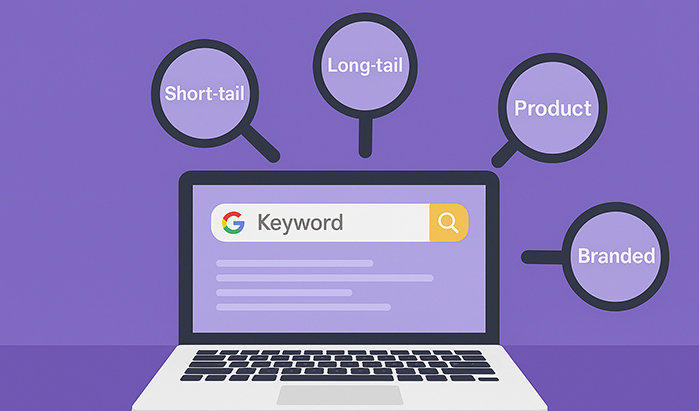
Keyword research is all about learning your audience's vocabulary. Find primary, secondary, and long-tail keywords that match business products. These keywords should naturally direct content development without requiring forced wordings.
3. Map Content to the Customer Journey:
Various forms of content address various phases of the customer journey:
- Awareness Stage: Blog posts, infographics, educational videos
- Consideration Stage: E-books, comparison guides, webinars
- Decision Stage: Testimonials, case studies, product demos
A good content marketing approach makes sure that regardless of where a user comes into the funnel, they have value and a reason to remain engaged with the brand.
4. Concentrate on Content Clusters and Pillar Pages:
Rather than working on each blog post in a vacuum, cluster similar topics under a central "pillar" page. This intra-site linking system enhances user navigation and informs search engines about your site's authority on specific topics.
5. Focus on Content Quality and Consistency:
Consistency generates momentum. Companies that release well-optimised, targeted content at regular intervals are rewarded with improved SEO rankings and enhanced brand recognition.
Aligning content marketing SEO initiatives with wider business and SEO goals isn't merely a case of ticking boxes. It's creating a growth engine that is compounding over time.
Why Blogging and Guest Posting Matter
Blogging and guest posting are key drivers of organic growth, particularly for growing businesses.
Blogging:
Regular blogging builds a brand's voice, demonstrates expertise, and maintains the site lively — a valuable SEO factor. New content notifies search engines that your website is active and worthy of regular indexing.
Good blogs also:
- Hit specific keywords
- Address real customer issues
- Enhance internal link opportunities
- Offer new content for social shares and email campaigns
Each blog post becomes a new entry point for potential customers searching online. Over time, a well-managed blog acts like a magnet for steady, qualified traffic.
Guest Posting:
Guest posting involves publishing articles on reputable external websites. This strategy builds brand authority and earns high-quality backlinks — two major SEO wins.
Effective guest posting isn’t about publishing anywhere possible. It's about partnering with platforms where your target audience already engages. Smart businesses carefully select relevant publications, contribute valuable insights, and use guest posts to drive strategic traffic back to their own site.
When you boost your content marketing performance with professional SEO services, activities such as strategic blogging and guest posting blend together perfectly so that each item of content makes a valuable contribution to brand visibility and search performance.
Measuring Content Performance and SEO Impact
Developing content without monitoring its performance is similar to driving without a map. Companies need to monitor content performance metrics that are tied to SEO success so that they can really have an understanding of the impact and ROI.
Here's what needs to be tracked:
1. Organic Traffic:
Measure how many people arrive via organic search sources. A consistent increase in organic traffic generally points to improved content ranking and fulfilling user intent.
2. Keyword Rankings:
Measure how content ranks for target keywords over time. Google Search Console, Ahrefs, or SEMrush are tools that help with clear ranking improvement insights.
3. Bounce Rates and Time on Page:
High bounce rates and low average time on page could indicate that the content is not living up to user expectations. Good content engages visitors, making them want to read more and dig deeper into the site.
4. Backlink Acquisition:
How many other sites are linking back to your content? Good backlink profiles increase domain authority and organic rankings.
5. Conversion Metrics:
Ultimately, content must drive outcomes — be that newsletter sign-ups, product buys, service inquiry requests, or demo requests. Implement conversion tracking to see which content most helps business objectives.
6. Engagement Metrics:
Likes, shares, comments, and other user interactions are indicators of content quality. Engaged users are more likely to become paying customers.
Verve Media takes a thorough, data-based approach to monitor all key content performance metrics, delivering clients actionable insights and ongoing optimisation.
Conclusion
Content marketing and SEO are no longer optional tactics — they're necessary for companies that desire to succeed online. Quality content powers SEO, and a well-designed SEO content strategy maximises the reach and impact of each word published.
Upstart companies that invest in aligning their content with SEO objectives have better visibility, more intimate customer relationships, and more scalable growth. From blogging and guest blogging to performance measurement and optimisation, every step counts.
At Verve Media, the best digital marketing agency in Mumbai, we specialise in weaving content and SEO together into powerful growth engines. If you’re ready to unlock new levels of visibility and success, it's time to boost your content marketing performance with professional SEO services designed to match your ambition.

.jpg)
.jpg)





































































.jpg)







.png)

.png)


