Home / Blogs / The Role of Mobile-First Indexing in SEO
The Role of Mobile-First Indexing in SEO
 SEO
SEO
As mobile usage continues to dominate the digital landscape, Google has made it clear that websites must evolve or be left behind. One of the most transformative changes in the SEO world has been the shift to Mobile-First Indexing. For businesses that depend on online visibility, understanding and optimising for mobile-first is no longer optional; it's critical.
If you're aiming for consistent rankings, better user engagement, and long-term digital success, your SEO strategies must revolve around mobile-first principles. In this guide, we'll break down what Mobile-First Indexing is, why it matters, and how to align your site with this mobile-centric future.
What is Mobile-First Indexing?
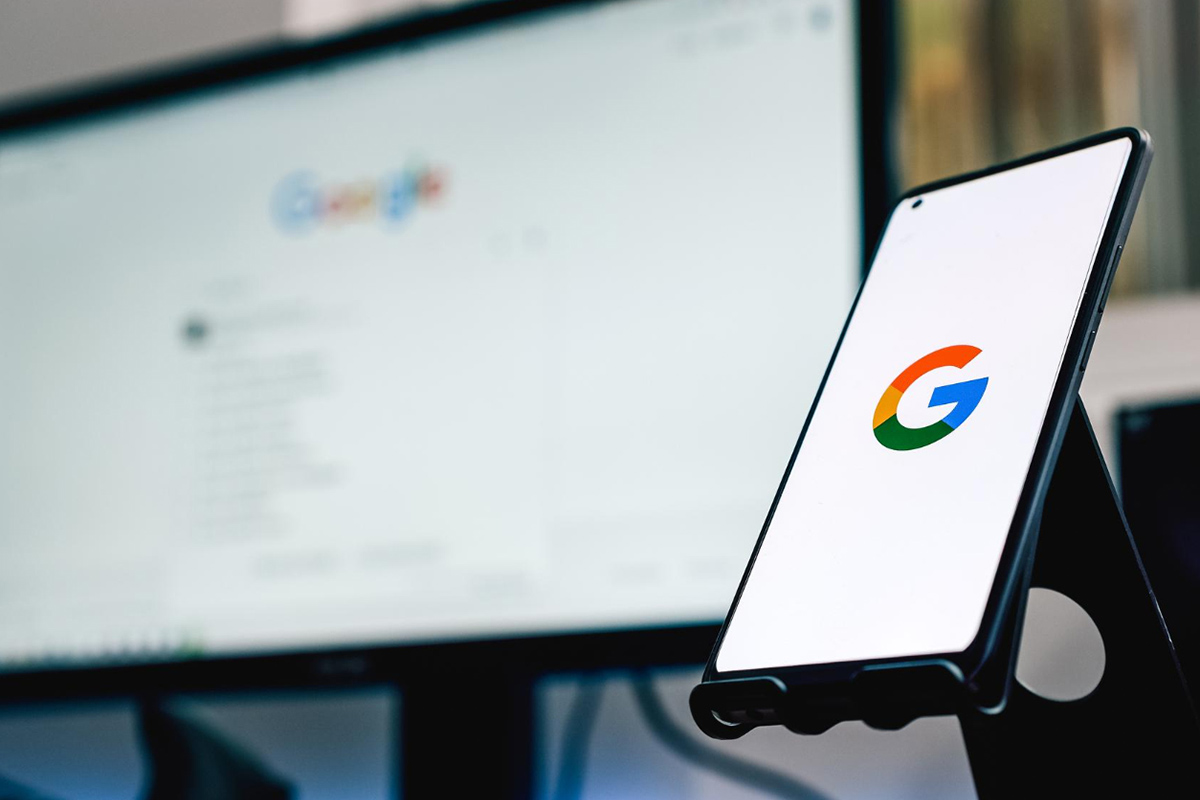
Mobile-First Indexing means that Google predominantly uses the mobile version of a website's content to index and rank pages. Previously, desktop versions were prioritised. However, with mobile traffic consistently surpassing desktop traffic, Google updated its crawling and indexing systems to reflect user behaviour.
Simply put, if your website doesn’t perform well on mobile, your rankings could suffer, even if your desktop version is flawless.
Whether you're building a new site or optimising an existing one, making it mobile-friendly ensures that your website is indexed with Google Search Console using the version your users are most likely to see.
Improved User Experience
User experience is central to both SEO and overall site performance. A seamless, mobile-friendly interface:
- Reduces bounce rates
- Increases time on site
- Encourages deeper engagement
- Improves conversions
From touch-friendly buttons to easy navigation, every detail counts. Websites designed with mobile-first principles tend to prioritise usability, leading to better performance signals that Google uses to rank pages.
In this mobile-dominant era, investing in responsive website design is one of the most impactful SEO strategies you can implement.
Changes in Search Rankings
Google has stated that content not visible on the mobile version of a site may not be indexed or ranked at all, even if it appears on the desktop version. This means hidden text, inaccessible menus, or missing metadata on mobile can directly impact your rankings.
If you're wondering how to get your website indexed by Google, start by ensuring your mobile site:
- Contains all critical content and metadata
- Matches or mirrors your desktop version in structure
- Loads efficiently and is easy to crawl
Working with an experienced SEO agency in Mumbai ensures that your mobile and desktop experiences are aligned, preventing ranking drops and visibility issues.
Importance of Responsive Design
Responsive website design is the gold standard for meeting Mobile-First Indexing requirements. A responsive site automatically adjusts to the screen size, device type, and orientation, offering a consistent experience across smartphones, tablets, and desktops.
Benefits of responsive design include:
- Easier management of one codebase for all devices
- Reduced risk of duplicate content issues
- Improved crawl efficiency for search engines
- Enhanced user trust and satisfaction
Many businesses partner with a digital marketing agency in Mumbai to redesign or upgrade their website to be fully responsive, ensuring optimal results across all devices.
Site Speed and Performance
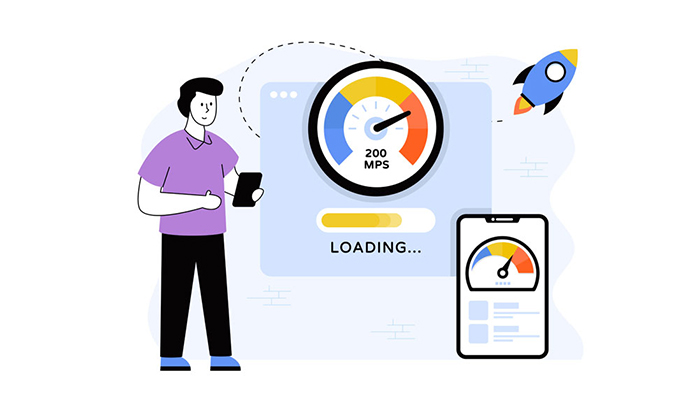
Site speed is a confirmed ranking factor, especially for mobile searches. Slow-loading pages lead to higher bounce rates and lower engagement, signalling to Google that your content isn't meeting user expectations.
To improve mobile performance:
- Optimise images using next-gen formats like WebP
- Minimise JavaScript and CSS blocking resources
- Use lazy loading for below-the-fold content
- Leverage browser caching and content delivery networks (CDNs)
Faster websites not only rank better but also convert more visitors into customers, making speed a core part of a future-proofed SEO strategy.
The Role of Mobile-Friendly Content
Optimising content for mobile isn’t just about formatting; it’s about creating a smoother, more digestible experience for users on the go.
Here’s how to make your content mobile-ready:
- Use concise, scannable paragraphs
- Break up content with subheadings and bullet points
- Prioritise key messages at the top
- Avoid pop-ups or elements that block the view
Google evaluates content engagement as part of its ranking algorithm. When users find content easy to read and interact with on mobile, it increases the likelihood of ranking higher.
A professional SEO agency in Mumbai will help ensure that your content not only reads well but is also structured for optimal visibility and interaction on mobile devices.
Final Thoughts
Mobile-First Indexing isn’t a future trend; it’s the current standard. As Google continues to prioritise mobile usability in its algorithms, businesses must adapt their SEO strategies accordingly. Whether you're focused on content creation, technical optimisation, or design enhancements, mobile must be the core of your approach.
Future-proofing your SEO means designing with mobile in mind from the start, not as an afterthought.
At Verve Media, a full-service digital marketing agency in Mumbai, we help businesses stay ahead of the curve with tailored SEO strategies that evolve alongside Google’s algorithm updates. Whether you need a full website overhaul or want to fine-tune your mobile experience, our team delivers professional SEO services designed for long-term success.

.jpg)
.jpg)




















































































.jpg)








.png)

.png)


