Home / Blogs / How To Find the Perfect Balance Between SEO and UX
How To Find the Perfect Balance Between SEO and UX
 SEO
SEO
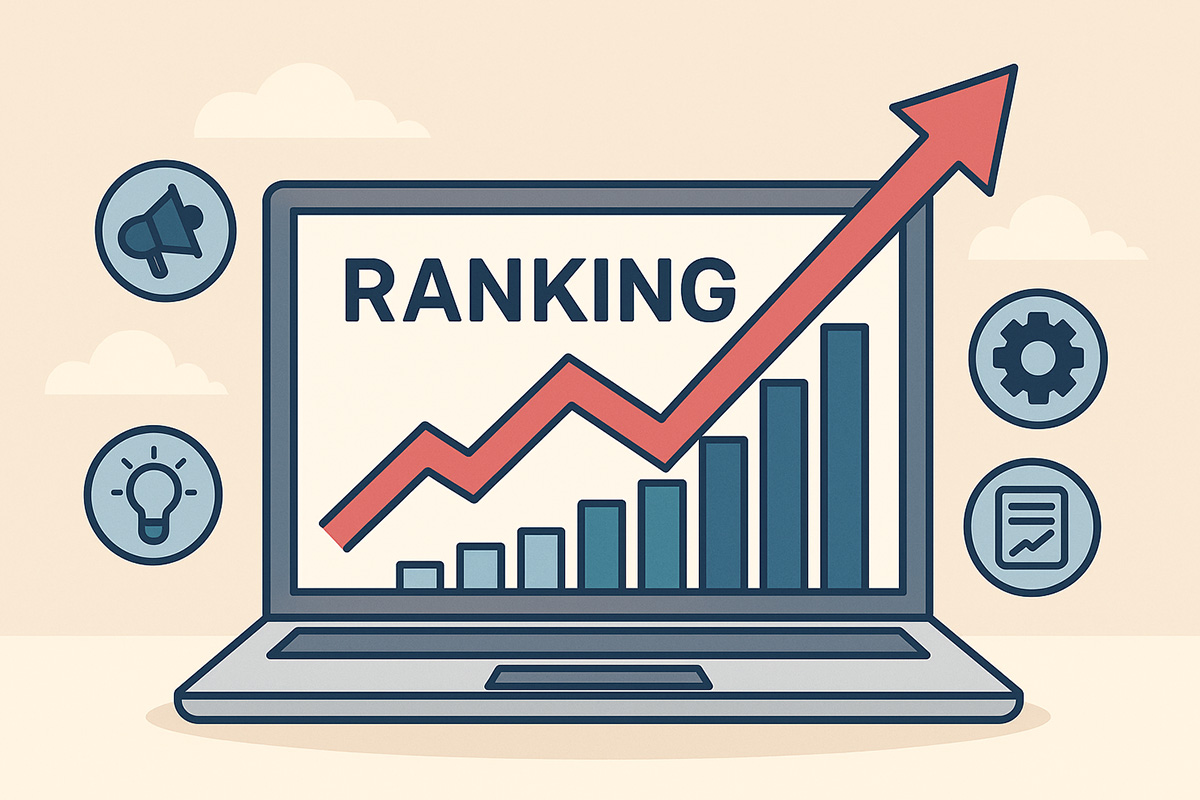
In today’s digital-first world, businesses can’t afford to ignore the critical connection between SEO and User Experience (UX). Ranking higher on search engines is important, but retaining and converting visitors requires much more than just visibility. Brands that succeed online are those that optimise websites for SEO and UX simultaneously, ensuring discoverability and usability. But how do you strike the right balance?
Whether you're a startup or a scaling enterprise, this blog will walk you through everything you need to know about aligning SEO and UX into an effective SEO strategy and why both are indispensable in today’s competitive digital landscape.
What Is SEO?
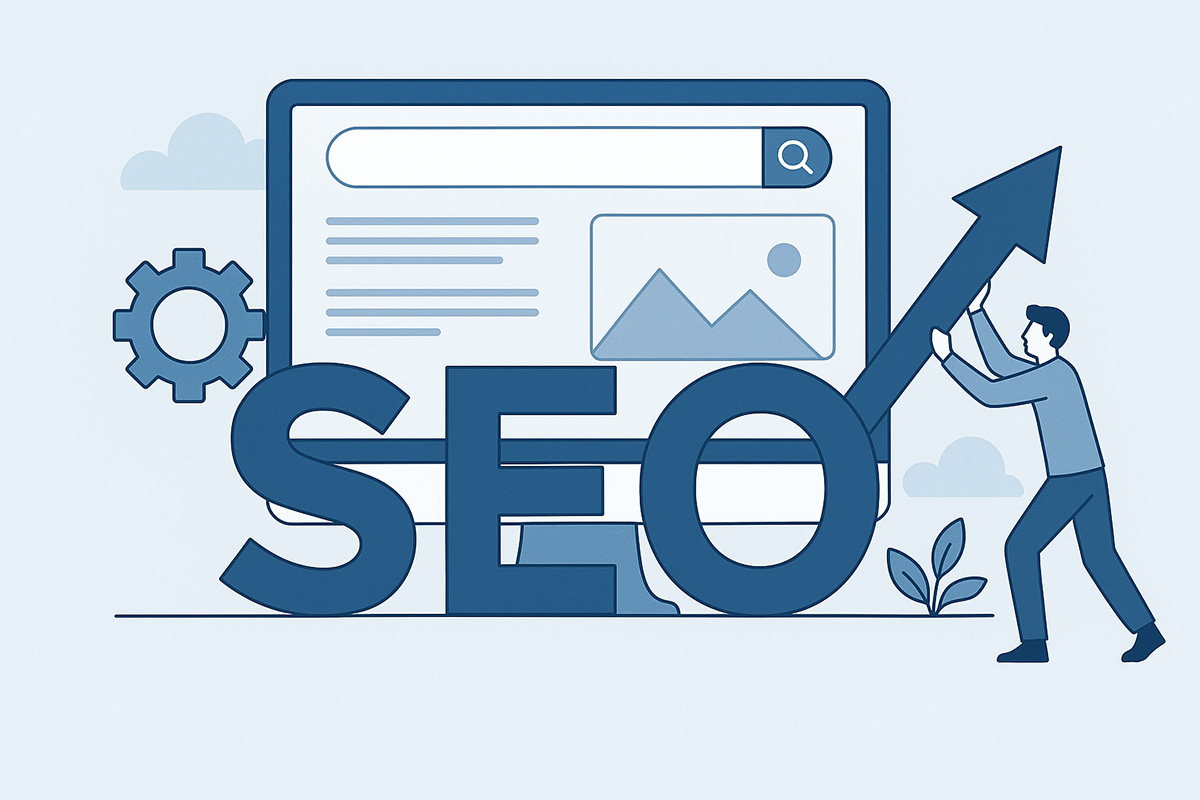
Search Engine Optimisation (SEO) is the process of improving a website’s visibility on search engines like Google. It involves various on-page and off-page techniques such as keyword optimisation, quality content creation, technical improvements, and link-building strategies. The goal? To attract more organic traffic and rank higher in search engine results pages (SERPs).
However, modern SEO goes far beyond keyword stuffing and meta tags. Today’s algorithms prioritise user intent, site structure, page speed, and mobile responsiveness. This is where SEO and User Experience (UX) begin to overlap.
What Is UX Design?
User Experience (UX) design refers to the overall experience a user has while interacting with a website or digital product. This includes aspects like navigation, page layout, responsiveness, content readability, and visual design. A well-designed UX ensures that users can easily find what they’re looking for, leading to higher engagement, longer site visits, and better conversion rates.
Think of UX as the foundation of user satisfaction. Even if your website ranks #1 on Google, it won’t matter if users leave within seconds due to poor navigation or slow load times.
How Does UX Impact SEO?
SEO and user experience are no longer isolated strategies, they are interdependent. Google’s algorithms have evolved to prioritise user behaviour signals such as bounce rate, dwell time, and mobile usability. This means your UX choices can directly impact your SEO rankings.
Here are a few ways UX affects SEO:
1. Page Load Speed
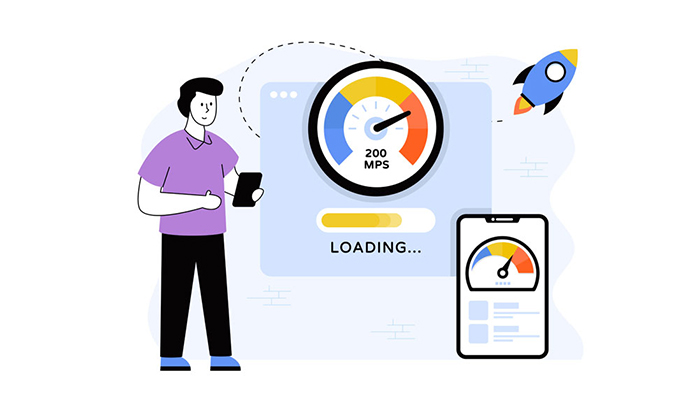
Slow websites are a huge turn-off for users. A delay of just one second can reduce conversions by 7%. Google considers page speed a ranking factor, so improving load times benefits both UX and SEO.
2. Mobile Responsiveness
With mobile-first indexing, Google now primarily uses the mobile version of content for ranking. A responsive website ensures a seamless experience across all devices, enhancing both usability and rankings.
3. Site Structure and Navigation
Clear navigation makes it easier for users and search engine crawlers to explore and index your website. This helps improve crawlability, time on site, and user satisfaction.
4. Content Layout and Readability
Readable content with proper headings, bullet points, and visual elements improves engagement. Google also uses these markers to understand context and relevance.
How To Leverage the Benefits of UX and SEO Combined?
Now that you understand the synergy between SEO and UX, let’s look at how to integrate them for maximum impact.
1. Conduct Comprehensive User Research
Start by identifying your audience's needs, behaviours, and preferences. This data helps tailor both your keyword strategy and user flow.
2. Design a Mobile-First Website
A mobile-optimised site is no longer optional. Make sure the design is clean, navigation is intuitive, and CTAs are easy to find, especially on smaller screens.
3. Use SEO Data to Guide UX Design
Tools like Google Analytics and Search Console can reveal which pages have high bounce rates or low engagement. These insights help you refine UX elements like layout, CTAs, and internal linking.
4. Create Content That Serves Both Users and Search Engines
Balance keyword usage with user intent. Your content should answer real questions, solve problems, and be structured in a way that’s scannable and informative.
5. Work With Professionals
Partnering with an experienced website development agency in Mumbai, like Verve Media, ensures that SEO and UX are seamlessly integrated from the ground up. From optimised coding structures to visually engaging layouts, every element plays a role in achieving digital success.
Why Are User Experience and SEO Key to Digital Marketing Success?
Today’s consumers are savvier and more impatient than ever. They expect fast, intuitive, and aesthetically pleasing digital experiences. If your site is hard to navigate, slow to load, or unresponsive on mobile, your bounce rate will soar and so will your chances of losing leads to competitors.
That’s why SEO and User Experience (UX) must work together. While SEO helps attract users, UX is what keeps them engaged. This synergy is the backbone of any effective SEO strategy.
For businesses, especially those in competitive markets like Mumbai, investing in both is non-negotiable. Collaborating with a digital marketing agency in Mumbai that understands this balance can make all the difference.
To Summarise:
Balancing SEO with UX is not just a best practice; it’s a necessity in 2025’s digital ecosystem. The key lies in understanding that SEO and user experience are not opposing forces but complementary elements of a unified strategy. When done right, this integration leads to higher traffic, increased engagement, better rankings, and ultimately, more conversions.
If you're ready to optimise your website for SEO and UX, Verve Media is here to help. As a leading SEO agency in Mumbai and a trusted website development agency in Mumbai, we combine technical expertise with creative design to build digital experiences that deliver results.
.jpg)
.jpg)






























































.jpg)




.png)

.png)


