Home / Blogs / How to Create Content That Works for Search and Generative Engines
How to Create Content That Works for Search and Generative Engines
.png) SEO
SEO
Table of Contents:
- TL;DR: Your Hybrid Content Checklist
- Introduction: Your Content Isn’t Broken, The Search Model Is
- The Shift: From Search Rankings to AI Summaries
- Why Your Content Strategy Needs a Hard Reset
- How to Make Content Work for Both Search Engines and AI Engines
- How Verve Media Helps You Stay Visible in AI Search
- Final Thoughts: Content That Gets Cited, Not Just Clicked
- Faqs
TL;DR: Your Hybrid Content Checklist
Here’s what we build into every content piece we optimise at Verve Media:
- Answer-first formatting
- Intent-aligned H2s
- Schema markup for clarity
- Semantic keywords & topical clusters
- Cited sources and updated insights
- Built for both search engines and generative AI
Introduction: Your Content Isn’t Broken, The Search Model Is
If your blogs aren't driving traffic like they used to, you're not alone.
It’s not because you forgot to optimise a meta tag or missed a keyword. It’s because the rules of visibility have changed, and most content teams are still playing by 2015’s SEO playbook. Today, Google doesn’t just rank your page; it might summarise it, paraphrase it, or skip showing your link altogether.
Data point: In July 2025, 18% of all Google searches triggered an AI Overview.
Meanwhile, tools like ChatGPT and Gemini are generating full-blown answers without sending users to your site.
So, the big question is:
How do you create content that actually gets seen, clicked, and cited in this new hybrid search ecosystem?
That’s exactly what we’re unpacking here, based on real-world strategy, testing, and results we've seen at Verve Media. We’re not guessing. We’re adapting, and it’s working.
The Shift: From Search Rankings to AI Summaries
Most SEO advice still centres around “ranking higher.”
But here’s the thing:
In AI-first search, you don’t need to rank #1. You need to be the source the engine trusts enough to quote.
Think of it like this:
- Google Search → looks for pages to rank
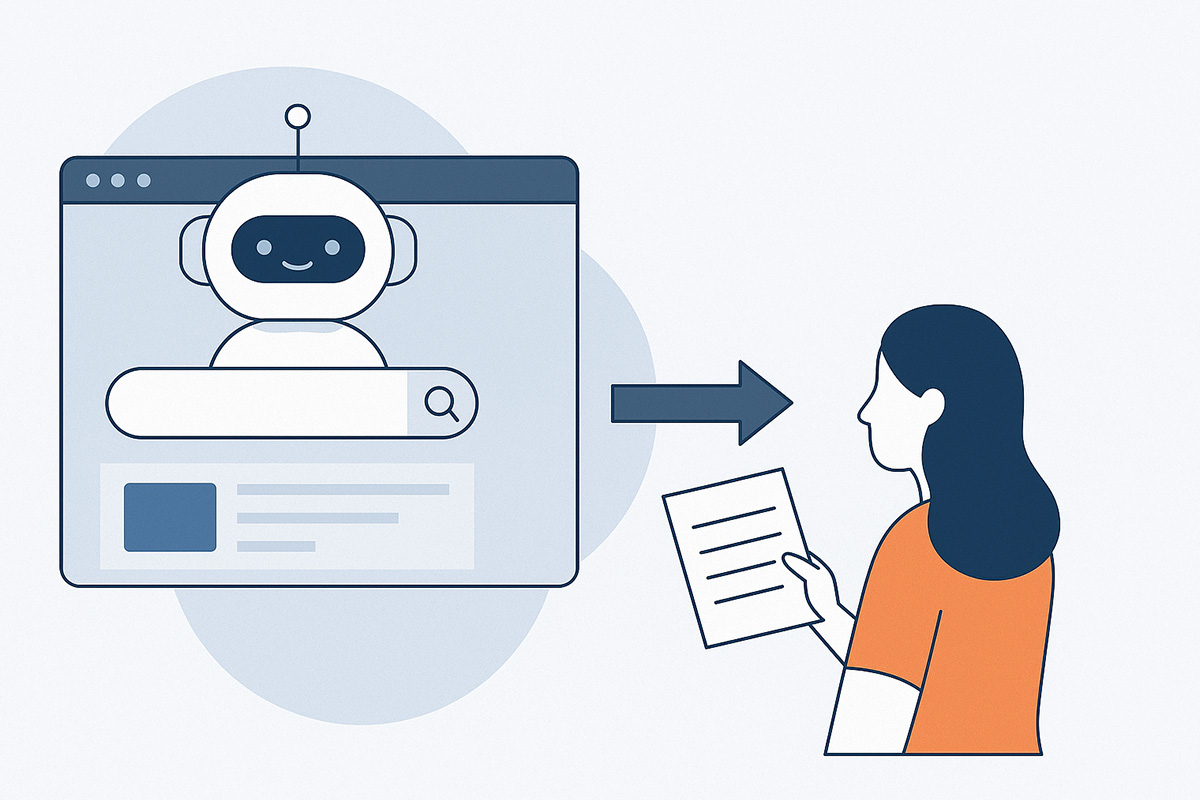
- Generative AI → looks for answers to summarise
That means your content isn’t just fighting for position.
It’s fighting to be seen at all.
| Traditional SEO | Generative Engine SEO |
|---|---|
| Optimise for keywords | Optimise for answers |
| Chase backlinks | Chase clarity & citations |
| Win the click | Win the quote |
| Ranking is everything | Relevance is everything |
Good to know: Only 8% of users click on a traditional result when an AI overview is present, down from 15% when no summary appears.
Most content out there? Still written like it’s only talking to a crawler.
That’s a problem. Because AI tools now interpret intent, summarise multiple sources, and pull direct responses, not just match keywords.
Keep in mind: About 26% of users end their search when an AI overview appears, compared to just 16% when only traditional links are shown.
At Verve, we’ve helped clients shift their content to this new model, restructuring old blogs, rewriting pages to lead with answers, and implementing semantic structure that AI engines actually recognise. And yes, it’s working.
Why Your Content Strategy Needs a Hard Reset
Generative engines have changed two things forever:
- Where users go for answers
- How answers get created
Your audience is no longer just Googling and scrolling. They’re asking, not searching, and expecting direct, contextual, summarised responses.
So if your content is:
- Buried behind fluff
- Over-optimised with keywords
- Structured with vague H2s and no clear answers
…it’s invisible in generative search.
Heads up: Brands that haven’t updated their blog content since 2022 are seeing 15–25% drops in traffic due to zero-click AI results.
This isn’t just about ranking anymore. It’s about earning trust as a cited source in a sea of summaries.
How to Make Content Work for Both Search Engines and AI Engines
This is where most brands get stuck. They think it’s either traditional SEO or AI optimisation.
It’s both. Here's how we build hybrid-ready content at Verve:
1. Lead with the Answer
AI engines don’t want buildup, they want clarity.
Use the inverted pyramid structure:
- Start with the direct answer
- Follow with explanation and detail
- End with action or next steps
Impact stat: Up to 80% of users rely on zero-click results in 40% of their searches, significantly lowering organic traffic.
Example:
- Instead of:
“In today’s world, content is evolving due to various factors...”
- Say:
“To rank in generative search, start by answering the query in the first 2 lines.”
Stat highlight: Google AI Overviews now appear in 13.14% of queries, up from just 6.49%, earlier in January.
2. Use Headings That Mirror User Intent
Every H2/H3 should reflect what people are actually typing (or saying) into search:
- “How do I optimise content for AI?”
- “What is AI SEO?”
- “Can blogs rank in Google’s AI Overviews?”
We write these exact headers for clients, and we’ve seen them picked up in Gemini, ChatGPT, and SGE.
3. Optimise for Structure, Not Just Keywords
Forget stuffing phrases. Instead:
- Use internal links and topic clusters
- Add schema markup (FAQ, How-To, Article)
- Include semantic keywords, not just exact-match phrases
Why it works:
Generative engines read structure like a blueprint. Schema + headings + content clarity = higher likelihood of citation.
4. Build for Trust, Not Just Traffic
E-E-A-T (Experience, Expertise, Authoritativeness, Trust) isn’t going anywhere. In fact, it matters more.
- Link to credible sources
- Quote real people or research
- Show your expertise through clarity, not jargon
- Tactics That Work for Both Worlds (Search + AI)
Some tactics sit right at the overlap; we use these in nearly every hybrid content piece:
- Use FAQs: AI engines love structured questions and answers
- Create lists and comparisons: Easy to summarise and repurpose
- Refresh regularly: AI hates stale data
- Show topical authority: Cluster content around key themes
- Don’t hide the value: Lead with it, don’t save it for paragraph nine
Good to know: Around 88.1% of AI-overview triggers are for informational queries, the exact type your blogs are trying to rank for.
How Verve Media Helps You Stay Visible in AI Search
At Verve Media, we’ve been testing and adapting content for generative search visibility for over a year. Here's what we’ve done:
- Restructured outdated blogs to surface in Google SGE & ChatGPT
- Implemented semantic content models across SaaS and D2C brands
- Built AI-ready content playbooks for internal and client use
- Delivered measurable traffic bumps, even when traditional search was flatlining
We’re not retrofitting old SEO techniques. We’re building forward with AI in mind.
Want to see what this looks like for your brand?
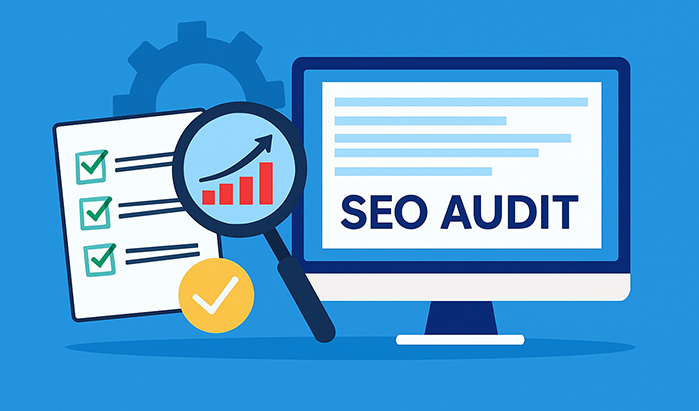
Let’s do a quick audit on your top blogs and see what AI engines are (or aren’t) doing with them.
Request a content audit
Also read: How to Optimise Your Website for AI-Driven Search Engines for a deeper dive into site-level AI SEO.
Final Thoughts: Content That Gets Cited, Not Just Clicked
Search isn't dead. But the way content is discovered has evolved, and most businesses haven’t caught up.
If your content still:
- Prioritises rankings over answers
- Buries insights under intros
- Ignores how AI digests information
…you’ll keep losing visibility to AI summaries and zero-click results.
The brands that win next aren’t just publishing more content.
They’re publishing smarter, structured, AI-aware content, with clarity, strategy, and a real plan.
You don’t need to outwrite the internet.
You just need to create content that AI wants to use.
Want help implementing it?
Talk to Verve Media
— India’s top AI SEO agency.
FAQs
Q1: What is generative engine content optimisation?
A: Generative engine content optimisation is about creating content that AI tools like Google’s SGE or ChatGPT can easily understand, summarise, and reference. It’s not just about keywords. It’s more about writing content for search and generative engines that’s clear, structured, and trustworthy.
Q2: How is content for search and generative engines different from traditional SEO?
A: Traditional SEO focuses on rankings, keywords, and backlinks. Content for search and generative engines goes further. It delivers direct answers, uses schema, and builds authority so both search engines and AI can highlight it confidently.
Q3: Why work with an AI SEO Agency instead of a standard SEO Agency?
A: A traditional SEO Agency focuses mainly on rankings. An AI SEO Agency combines those tactics with AI SEO optimisation, making sure your content ranks well on Google and is also cited in AI-generated answers.
Q4: Can AI SEO optimisation still bring results if AI reduces clicks?
A: Yes. With the right AI SEO optimisation, your brand becomes the trusted source that AI platforms quote in their answers. Even if fewer people click links, you still gain authority, visibility, and credibility.
Q5: How often should content be updated for AI visibility?
A: Content should be updated every 3–6 months. Regular updates with fresh stats, better structure, and internal linking improve generative engine content optimisation. These also increase the chances of your blogs being cited.
Q6: How can a digital marketing agency like Verve Media help?
A: As a leading digital marketing agency, Verve Media helps businesses adapt to AI-first search. We audit, update, and optimise blogs using AI SEO optimisation and strategies for content for search and generative engines. This helps your brand stay visible in both Google and generative AI platforms as well.
.jpg)
.jpg)












































.jpg)


.png)


