Home / Blogs / Can AI Replace SEO Tools? What AI Can and Can’t Do for SEO
Can AI Replace SEO Tools? What AI Can and Can’t Do for SEO
 SEO
SEO
The Real Problem With “AI-Only SEO”
AI changes the interface. It does not replace the data.
That is the real answer to the AI vs SEO tools debate.
AI can summarise reports, suggest ideas, and explain patterns quickly. But it cannot reliably generate the live search data that SEO depends on. And that matters more now because search itself is changing fast. Google says it now handles more than 5 trillion searches a year. It also says AI Overviews have scaled to more than 2 billion users each month across 200 countries and territories. In major markets like India and the U.S., AI Overviews are driving more than 10% growth in the types of queries where they appear.
For marketing teams, the real question is not just, can AI replace SEO tools? It is this: Can AI help us move faster without making our SEO weaker?
That is the question this blog answers.
TL;DR: What Actually Matters
- AI is not a replacement for SEO tools. It cannot reliably create live ranking, crawl, index, or search-performance data on its own.
- SEO tools are still the system of record. Search Console, crawlers, analytics, and data warehouses collect the signals teams need to trust.
- AI becomes valuable after the data exists. It helps summarise, cluster, prioritise, and turn reports into next actions.
- The best setup is data-first, AI-assisted, and operator-led. Bulk export and connected data stacks make that model more practical than ever.
Why This Debate Keeps Coming Back
AI sounds precise, even when it is not.
That is why this debate keeps returning. One widely shared industry argument pushed back on the idea that a few AI prompts could replace paid SEO tools and save thousands each year. The core issue was simple: LLMs can produce believable keyword metrics without live access to the data behind them. In other words, they can sound exact while guessing.
So, can AI replace SEO tools? Not if you need real impressions, clicks, index coverage, sitemap status, query trends, or URL-level inspection. AI can talk about SEO. Tools still measure it.
We have explored this idea further in our blog, AI Answers Everything But Who’s Feeding the Answers?, where we look at the same source-of-truth problem from the perspective of AI-generated answers.
What SEO Tools Still Do Better Than AI
SEO tools still own the layer of truth.
Google’s Search Console API provides access to Search Analytics, Sitemaps, Sites, and URL Inspection. Search Analytics lets you query traffic data using dimensions like date, country, and device. The URL Inspection tool provides URL-level crawl, index, and serving information directly from Google’s index. Search Console’s reporting also revolves around the core metrics teams actually use: clicks, impressions, average CTR, and average position.
Here is the simplest way to think about it:
| AI Can Explain | SEO Tools Can Verify |
|---|---|
| Patterns | Clicks |
| Summaries | Impressions |
| Anomalies | Average CTR |
| Test Ideas | Average Position |
| Content Clusters | Sitemap Status |
| Draft Recommendations | URL Inspection Results |
If your team needs truth, it still starts with tools.
Where AI Actually Helps SEO Teams
AI is most useful after the data exists.
That is where it becomes practical. AI can summarise exports, group similar issues, highlight patterns across page sets, suggest test ideas, and translate technical findings into plain English.
Google’s newer Search Console Insights report is a good example of data that AI can work with well. It shows total clicks and impressions, top pages, and pages or queries that are trending up or trending down.
Verve Insight: Why This Matters for Small Teams
If you have one marketer, one content person, and no dedicated analyst, the problem is rarely “no data.” It is usually “too much data and no time.”
This is where AI SEO becomes genuinely useful. It helps smaller teams move from report to action faster, without pretending to replace the tools that found the issue in the first place.
That makes this topic highly relevant for growing brands. Many teams do not need more dashboards. They need clearer next steps.
AI As The Interface Layer on Top of Your SEO Data
The stack is changing. The source of truth is not.
Google’s bulk export feature lets Search Console send a daily export into BigQuery. Google says that export includes all performance data except anonymized queries, and it is not affected by the daily data row limit.
That creates a much better model for modern SEO:
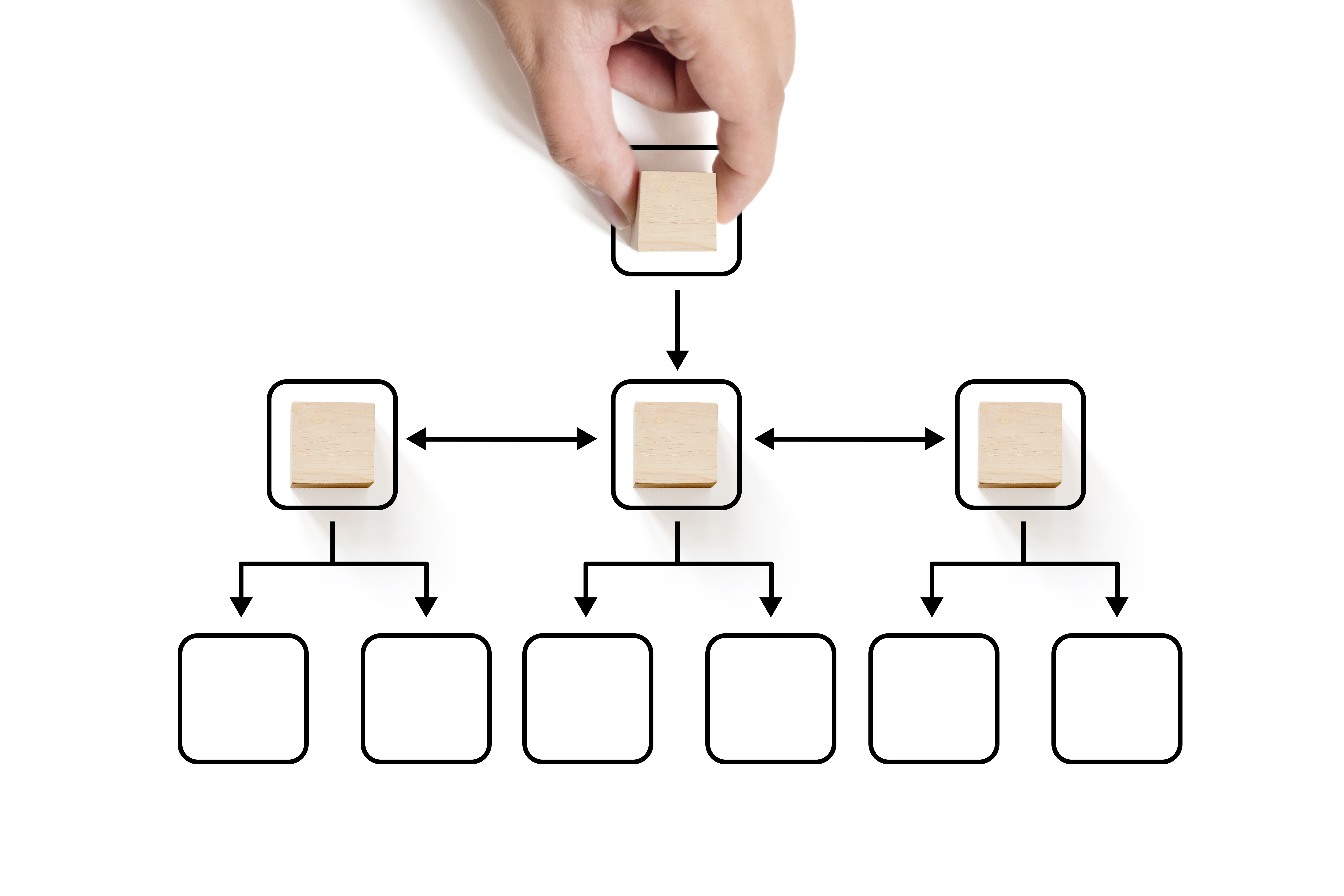
Data -> AI -> Action
- Tool Data
Search Console, analytics, crawlers, and inspections gather the signals.
- AI Analysis
AI summarises, groups, interprets, and suggests.
- Human Priority
Someone decides what matters most.
- Action
The team updates titles, fixes technical issues, refreshes content, or improves internal linking.
That is a stronger model than “AI will replace tools.” It also maps much better to how real SEO teams work.
The Most Effective AI + Tool Workflows SEO Teams Use
The best workflows are practical, not flashy.
- Performance Data -> AI Summary -> CTR Tests
Pull pages with falling clicks but stable impressions. Then ask AI to group likely title, snippet, or intent-match issues and suggest three tests. Google recommends comparing date ranges and checking affected pages when traffic drops.
- URL Inspection -> AI Grouping -> Fix Priority
Use URL inspection and sitemap data to separate indexing problems from page-quality problems. Then let AI cluster similar cases so your team fixes the highest-impact issues first.
- Content Inventory -> Query Data -> Refresh Briefs
Match older pages with query trends and ask AI to surface missing subtopics, weak headings, or internal-link gaps. That is one of the strongest forms of AI SEO optimisation because it starts with real performance data and ends with better content decisions.
- Reports -> AI Translation -> Clear Next Actions
This is where AI often delivers the fastest win. Instead of sending stakeholders a dense dashboard, use AI to turn the findings into three clear actions, with reasons and priorities.
We explore this further in our blog, How to Rank on ChatGPT, where the focus shifts from data and workflows to visibility inside answer engines.
What Breaks When You Try AI-Only SEO
An AI-only setup usually fails in the same three places.
AI-Only SEO Breaks Here
- Measurement breaks
If the model does not have live access to your data, it guesses. That may look polished, but it is still guesswork.
- Diagnostics break
Traffic drops can come from many causes, including technical issues, reporting changes, seasonality, and shifts in performance patterns. Teams still need trusted diagnostics and verified data sources to work out what is actually wrong.
- Accountability breaks
Someone still has to decide what matters, what gets fixed first, and what is worth testing. AI can accelerate judgment. It cannot own it.
This is the part many teams underestimate. AI can reduce workload. It cannot replace responsibility.
Using AI To Turn Reports Into Clear Next Actions
AI earns its place when it helps teams decide faster.
A weak prompt says, “Do SEO for my site.”
A strong prompt says, “Here are the pages that lost clicks in the last 90 days while impressions stayed stable. Group the likely CTR issues and suggest the three highest-impact tests.”
That works because it starts with real data.
Google encourages teams to compare periods, inspect affected URLs, and review changes in search performance. AI becomes useful when it helps you do that analysis faster and explain it more clearly.
Why Tool Choice Matters Even More When AI Is in the Loop
Weak data plus AI creates faster confusion. Strong data plus AI creates faster decisions.
That is why tool choice matters more now, not less.
A serious AI SEO service should not begin with prompts alone. It should begin with reliable sources, clean exports, and diagnostics your team can trust. The same is true whether you work with an AI SEO Agency, an SEO Agency, or a broader digital marketing agency. Google states Search Console as the place to measure search traffic and performance, fix issues, and improve visibility in Search.
When To Keep This In-House, And When To Bring In Help
- Keep it in-house when:
- Your team already has access to the right tools
- Someone owns reporting and prioritisation
- You need help mostly with speed and workflow
- Bring in help when:
- Your team has data but no clear action plan
- SEO, content, and technical work are disconnected
- Your reports keep growing, but decisions still feel slow
- You need a better operating model, not just another dashboard
This is where a strong SEO Agency, or an integrated AI SEO Agency like Verve Media can create value. Not by replacing your tools, but by helping your team use them better.
The New Skillset: SEO Operators, Not Just Tool Users
The next SEO edge is not more clicking. It is better operating.
The best SEO team and digital marketing agency now need people who can read signals, connect systems, prioritise work, and turn insights into action. AI only makes that more important.
Once repetitive work gets faster, judgment matters more.
That is why the new SEO skillset is less about being a tool user and more about being an operator.
What The Future SEO Stack Will Look Like
The future stack is data-first, AI-assisted, and operator-led.
Search Console, analytics, crawlers, and warehouses will continue to hold the truth. AI will sit on top as a working layer that helps teams analyse, simplify, and move faster. Humans will still decide what matters most.
We have also written about this shift in How to Rank on ChatGPT and LLMO in 2026: How to Rank in AI Search Without Keywords. Across all of these conversations, the same principle holds: the interface may change, but structure, signal quality, and grounded data still matter underneath it all.
Frequently Asked Questions
Q1. Can AI Replace SEO Tools?
A. No. AI can help interpret SEO data, but it cannot reliably replace the tools that measure clicks, impressions, index status, sitemap health, and URL-level issues.
Q2. What Is the Difference Between AI and SEO Tools?
A. AI is best for summarising, clustering, drafting, and recommending actions. SEO tools are best for collecting verified search data and diagnostics. That is the real answer to ai vs seo tools.
Q3. Do I Still Need Search Console If I Use AI?
A. Yes. Search Console remains one of the core sources of truth for performance, indexing, and inspection data.
Q4. Where Does AI Add the Most Value in SEO?
A. It helps with report summaries, issue grouping, content refresh ideas, stakeholder reporting, and turning raw data into next steps. That is where ai seo and ai seo optimisation become genuinely useful.
Q5. Do Small Teams Need an AI SEO Agency?
A. Not always. But a good AI SEO Agency or SEO Agency can help when your team has data but lacks time, process, or the operator mindset needed to turn it into action.
Q6. When Does a Digital Marketing Agency Make More Sense?
A. A digital marketing agency can be the better fit when SEO decisions also affect content, analytics, UX, conversion paths, or the wider marketing funnel.
Why Verve Media?
AI should make SEO clearer, not noisier.
At Verve Media, we believe the strongest setup combines reliable data, better workflows, and better judgment. If your team wants help turning reports into clearer priorities, sharper content decisions, and smarter AI-assisted workflows, that is where we can help.
.jpg)
.jpg)



































.jpg)


.png)

.png)


