Home / Blogs / How to Plan for GEO in 2026 and Evolve your Search Strategy
How to Plan for GEO in 2026 and Evolve your Search Strategy
.png) SEO
SEO
Why GEO Optimisation Matters More Than Ever in 2026
We’ve spent a decade obsessing over what people search.
In 2026, the real shift is where they search.
- Google still dominates with an estimated 417 billion searches per month.
- ChatGPT alone now processes around 72 billion messages a month.
- And people under 44 use an average of five different platforms to find answers – across search engines, social, marketplaces and AI assistants.
Your audience is no longer “on Google”. They’re everywhere.
Your search strategy 2026 can’t just be “rank on page one and hope.”
This is where GEO Optimisation 2026 comes in.
At Verve Media, we see GEO as the natural evolution of search: a way to design a GEO SEO strategy that helps your brand show up not only in search results, but across generative engines and answer engines. From Google’s AI Overviews to ChatGPT, Gemini, Perplexity, TikTok search and beyond.
If you get GEO right now, you’re not just chasing rankings.
You’re designing how your brand is discovered everywhere people ask questions.
What GEO Really Is: From SEO to GEO and AEO
Before we plan anything, we need to be very clear on definitions.
1. Generative Engine Optimisation (GEO)
Generative engine optimisation (GEO) is about optimising your brand so that it shows up inside AI-generated answers – not just in the list of links underneath.
When someone types or speaks:
- “Which CRM is best for a small SaaS startup?”
- “How do I choose a digital marketing agency?”
…AI systems like Google AI Overviews, ChatGPT or Perplexity scan the web, summarise, and cite sources. GEO is the practice of:
- Making your brand, content and data easy for LLMs to understand
- Structuring your expertise so it’s trusted and quoted
- Designing content that’s genuinely worth being referenced in answers
That’s generative engine optimisation geo in plain language.
2. Answer Engine Optimisation (AEO)
Answer Engine Optimisation (AEO) is closely related but slightly different: it’s about optimising for direct answers – featured snippets, FAQs, knowledge panels, Q&A content, and conversational assistant responses.
- If GEO is about “being part of the bigger AI answer”, AEO is the sharp point of that spear: the direct response a user sees.
- Together, GEO + AEO expand what “search visibility” means. Rankings are just one slice.
This means that the shift from SEO to GEO is a direct evolution, not a replacement.
None of this works without solid SEO. GEO doesn’t replace SEO; it sits on top of it.
That’s why we frame this as a shift in lens, not a hard reset.
If you want to go deeper into that mindset, read: From SEO to GEO: Why It’s an Evolution, Not a Replacement
The above piece digs into the “why”. This one is about the “how”.
Foundations First: Data, Entities and Technical SEO for GEO
GEO fails fast if the foundations are weak.
Before you start throwing “GEO” into decks, make sure four basics are in place.
1. Align GEO with your SEO and content goals
Ask:
- What do we really want people to know, believe and do when they discover us?
- Which topics, problems and categories must we own?
Your GEO SEO strategy should sit right on top of your existing content strategy:
- Clear topical focus
- Real expertise
- Consistent, high-quality content
GEO isn’t a separate campaign; it’s a new layer of intent + distribution
awareness.
2. Make your brand an entity, not just a website
LLMs and AI systems don’t just parse pages – they try to understand entities:
- Your brand
- Your people (founders, experts)
- Your products/services
- Your track record (case studies, reviews, mentions)
If that information is fragmented across social bios, PDFs, slides, random PR hits… AI can’t form a confident picture of you.
So:
- Tighten your About, Team, Services and Case Study pages
- Use schema/structured data where it makes sense
- Make your expertise and process explicit, not implied
You’re not just optimising for crawlers anymore. You’re educating models.
3. Fix the boring technical stuff
No way around it. GEO still rests on:
- Crawlable, fast pages
- Clean site architecture
- Logical internal linking
- No major indexation issues
This is where a solid digital marketing agency or AI SEO Agency earns its keep. Without this, GEO is lipstick on a broken CMS.
4. Get your data in shape
To make good GEO decisions, you need:
- Trustworthy analytics (GA4, conversions, events)
- Clean Search Console data
- A sense of how organic traffic influences leads, sales or pipeline
Otherwise, you’ll never know if your GEO experiments are working – or just “vibes”.
Want a deeper understanding? Read our blog: How Generative AI Impact Website Rankings and Traffic
Designing Your GEO SEO Strategy for 2026
Once foundations are stable, we move to strategy: where, how and with whom you show up.
1. Map the “surfaces” that matter
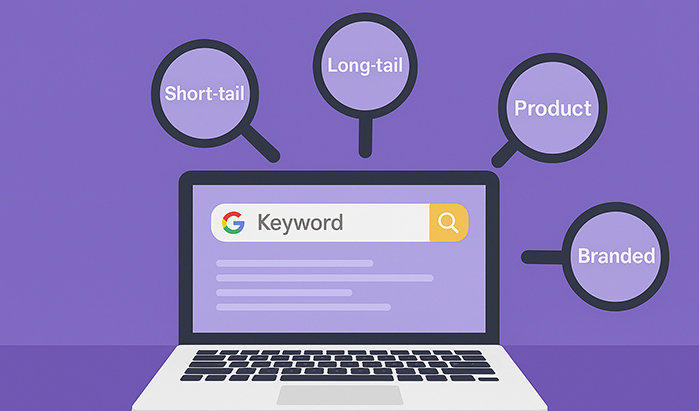
Your audience doesn’t just “use Google”. They flow between:
- Google, Bing, YouTube
- AI assistants (ChatGPT, Gemini, Perplexity, Copilot)
- Social search (Instagram, TikTok, LinkedIn, Reddit)
- Marketplaces (Amazon, app stores, review platforms) Search Engine Land
A modern search strategy 2026 starts by identifying:
- Which surfaces matter most for your category
- Which questions matter most on each surface
- Where your brand is present, absent or misrepresented
2. Define the roles: SEO, GEO and AEO
A simple way we frame it with clients:
- SEO – Own your core topics and pages in classic search results
- GEO – Be cited and referenced inside AI-generated answers
- AEO – Win answer-style placements: snippets, FAQs, assistant replies
That becomes your GEO SEO strategy on one slide:
What classic SEO handles, what GEO layers in, and what AEO sharpens.
3. How we typically build this as an AI SEO Agency
When we work with brands on GEO, we usually:
- Audit existing SEO + brand presence across key engines and assistants
- Map high-value questions, intents and surfaces
- Identify entity gaps (missing proof, unclear messaging, weak authority)
- Prioritise GEO content and AEO opportunities
- Plug this into realistic roadmaps, not wishlists
GEO looks big and abstract from the outside. From inside, it’s just structured, multi-surface search planning.
Creating GEO-Ready Content and Using AI for Smarter Targeting
Not all content is GEO-friendly.
GEO-ready content has a few traits:
1. It’s source-worthy
AI systems will only quote you if:
- You’re accurate
- You’re original
- You’re clear about where data comes from
That means:
- Use real numbers, examples, case studies
- Explain your reasoning (“how we decide”, “how we do X”)
- Make it easy to link back to specific sections (FAQs, headings, anchors)
2. It’s structured for humans and machines
- Strong headings and subheadings
- FAQ-style sections answering direct questions
- Clean markup where it matters (schema for products, FAQs, how-tos)
AI doesn’t need “hacky” content. It needs structured clarity that it can digest. Use AI to inform and accelerate, not replace thinking
AI can help you:
- Spot where your brand is (and isn’t) appearing in AI answers
- Generate outline variations tailored to different platforms
- Cluster queries and topics that frequently co-occur
It should not:
- Autogenerate 50 thin blogs and push them live
- Replace your experts’ judgment or brand voice
Think of AI as the engine. Your team is still the driver.
GEO Mistakes to Avoid and Metrics That Matter
If you’re early to GEO, you’ll see a lot of noise. Avoid these traps:
Common mistakes
- Treating GEO as a buzzword layer instead of integrating it into content, PR, and brand.
- Only tracking traditional rankings and organic traffic while ignoring:
- AI overview presence
- Assistant answer inclusion
- Brand citations across surfaces
- Relying on automation alone with no editorial oversight.
- Ignoring entity and credibility work (digital PR, reviews, expertise)
Metrics that matter for GEO
Think beyond “Position 3 for [keyword]”.
For GEO, we look at:
- How often you appear in AI-generated answers for priority queries
- Whether AI cites or mentions you, and in what context
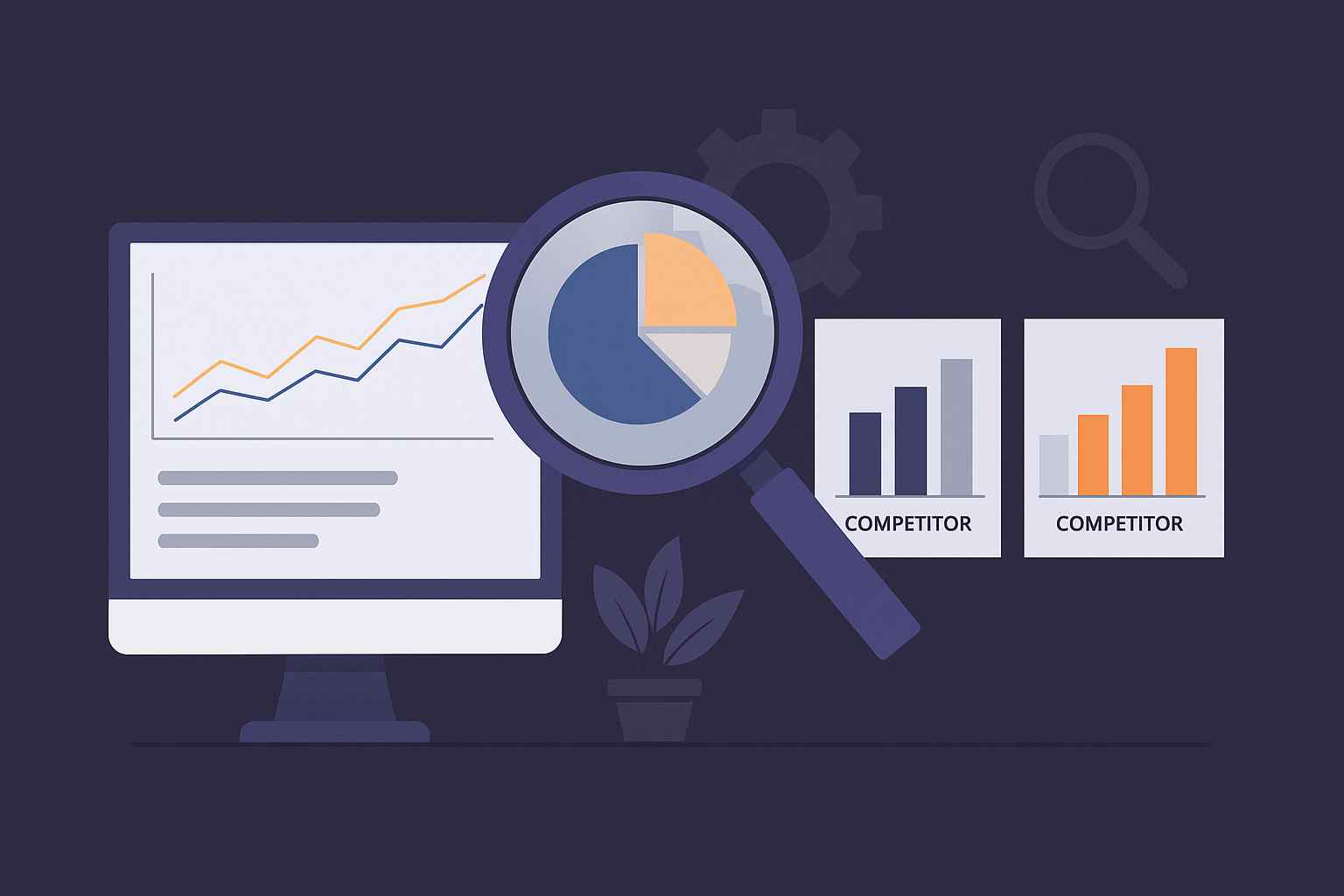
- Share of voice vs key competitors across engines/assistants
- Impact on branded search, organic-assisted conversions, and pipeline
Those are the numbers that tell you if your GEO work is compounding or just cosmetic.
Continue reading: How Generative AI Impacts Website Rankings and Traffic
Conclusion: Building a Scalable, Future-Ready GEO Strategy
Search is no longer a single box on a single page.
Your customers ask, swipe, tap and prompt their way across engines, feeds and assistants. GEO is simply the discipline of meeting them wherever that happens – with content and signals they can trust.
To recap, a strong GEO plan in 2026:
- Builds on solid SEO foundations
- Treats your brand as an entity, not just a domain
- Blends SEO, GEO and Answer Engine Optimisation (AEO) into one coherent search strategy 2026
- Uses AI to inform and accelerate, not to mass-produce junk
As an AI SEO Agency and digital marketing agency, we see GEO not as a shiny add-on, but as the natural next step in how brands think about visibility.
If there’s one question we’d love you to take back to your team, it’s this:
“If our customers asked an AI assistant about our category tomorrow, would our brand be part of the answer – and would we deserve to be?”
Everything about GEO starts there.
.jpg)
.jpg)









































.jpg)





.png)


