Home / Blogs / Zero-Click Search in 2026: How Brands Can Still Win Traffic
Zero-Click Search in 2026: How Brands Can Still Win Traffic
 SEO
SEO
The Zero-Click Google Search Era
You search "best time to post on Instagram."
Google gives you the answer right there in a tidy summary at the top of the page. You get what you need. You don't click anything. You move on.
That's a zero-click search and it happens billions of times a day.
For years, brands built their digital strategy around getting people to click through from search results to their website. That model is under serious pressure.
In 2026, a significant and growing proportion of searches end without a single visit to any website. Google's own data has consistently shown that more than half of all searches end up with zero click results and that number has climbed steadily as AI-generated answers, featured snippets, and knowledge panels have taken over more of the results page.
The question isn't whether zero-click search is real. It is. The question is how to get traffic from zero-click results.
How AI Overviews and the Rise of LLM Answers Are Changing Everything
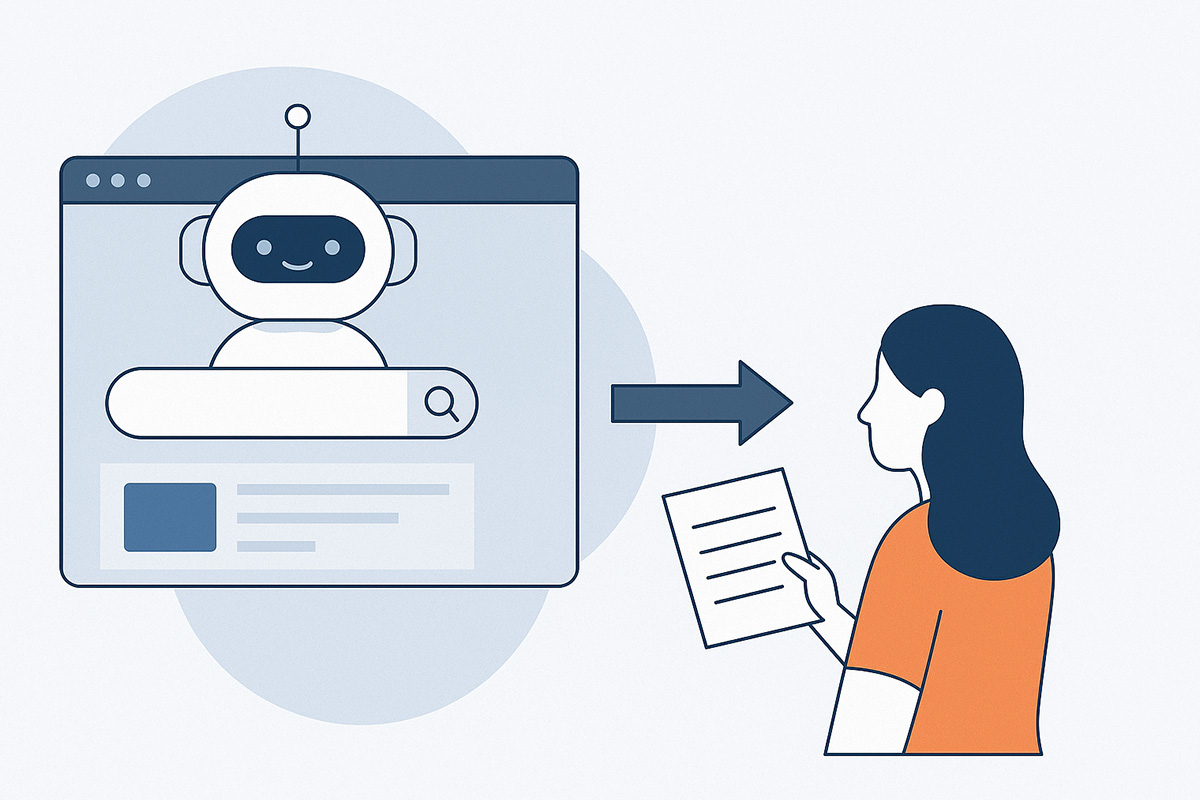
Google's AI Overviews now appear at the top of results for a wide range of queries. Instead of ten blue links, users get a synthesised answer drawn from multiple sources, with links buried underneath.
Tools like Perplexity, ChatGPT Search, and Microsoft Copilot go further by answering questions conversationally without sending users anywhere at all.
This changes how people behave online. Users are no longer in the habit of clicking through to find answers themselves. They expect answers to come to them. When an AI gives a confident, complete response at the top of a search, the motivation to look further simply isn't there for most people.
The SEO strategies 2026 of brands navigating this well aren't focused on fighting the shift.
How Brands Should Structure Content for Answer Engine Optimisation
Being visible in an AI-first search landscape requires a different kind of content strategy. Here are the five things that matter most:
1. Entity Building: The New Foundation of AI-Driven Search
- AI search engines don't just index keywords, they understand entities. An entity is any clearly defined concept, person, brand, or thing that can be consistently identified across the web.
- The more clearly and consistently your brand is described across your website, social profiles, directories, and third-party mentions, the more confidently AI systems will reference you.
- Structured data markup is one of the most direct ways to communicate entity information to AI systems.
2. GEO + Intent Clusters: Ranking Beyond Classic SERPs
- Generative Engine Optimisation is the practice of structuring content so that AI systems are more likely to pull from it when generating answers.
- Unlike classic SEO, which targets keywords, GEO targets intent clusters like the broader questions and needs that sit around a topic.
- A business that answers not just "what is X" but "why does X matter," "how does X work," and "who should use X" becomes a more complete and useful source for an AI assembling a response.
- Breadth of coverage around a topic signals authority in a way that single-keyword targeting never could.
3. Why Authoritativeness Matters More in an AI-First Search World
- AI systems are built to be accurate. To be accurate, they draw from sources they consider trustworthy.
- Content written by identifiable experts, backed by verifiable experience, and published on credible domains is disproportionately likely to be cited in AI-generated answers.
- Author bios matter, original research, third-party citations and backlinks from trusted sources matter.
4. Content Formats AI Prefers: Data, Facts, and Direct Answers
- AI systems favour content that is specific, factual, and clearly structured. Vague opinion pieces rarely get cited.
- Content that includes original data, direct answers to specific questions, and clean organisation like headers, numbered steps, clear structure, is far more likely to be pulled into an AI response.
- Write content that answers questions directly and leads with the answer. Support every claim with data where possible. Use headers that mirror the way people actually phrase questions.
- Every piece of content you publish is a potential source for an AI assembling an answer on the fly so treat it that way.
5. Social Signals in AI Search Ranking
- Social signals like shares, saves, mentions, engagement, factor into how AI systems evaluate content credibility.
- That signal feeds into the trust assessment AI systems apply when deciding what to cite.
- Brands with strong social presence and consistent engagement aren't just building brand recall, they're building the kind of third-party validation that makes AI systems more likely to treat them as credible sources.
What Your Brand Should Focus On
Most brand marketing teams are still optimising for a search landscape that is becoming secondary. Chasing keyword rankings for informational queries that AI now answers directly is a poor use of resources and getting poorer by the month.
The shift needed is from click-focused content to citation-focused content because that mention builds brand recognition and authority even in this zero-click era.
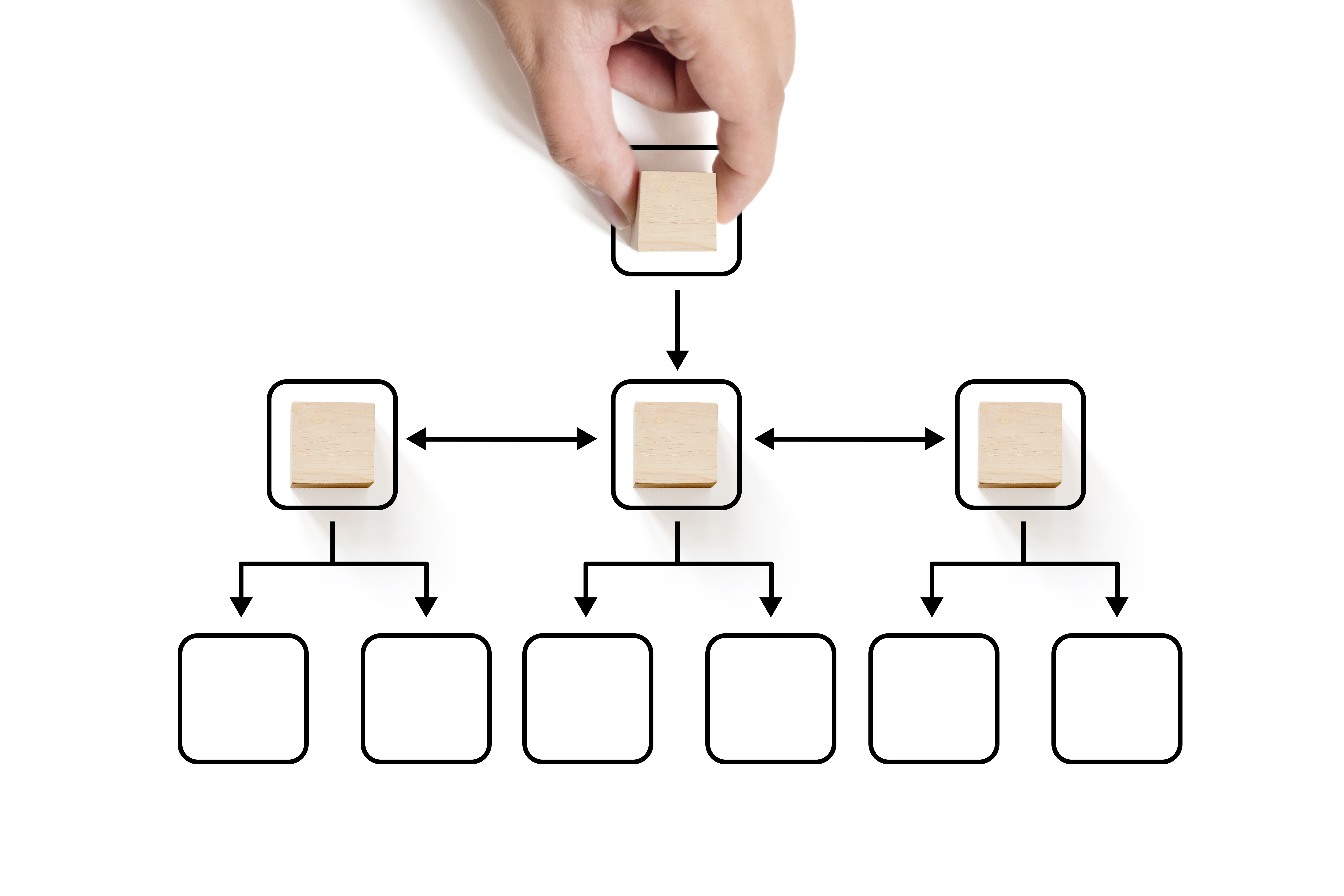
Website architecture needs to reflect this too. Fast, well-structured sites with proper schema markup, clear internal linking, and content organised around topic clusters are far better positioned for AI indexing.
Every page should have a clear purpose, a clear audience, and a direct answer to a specific question because in an AI-first world, any type of ambiguity is expensive.
How an AI SEO Agency Prepares Your Brand for the AI Search Era
Zero-click search isn't a problem to solve. It's a reality to adapt to. The brands that win in this environment aren't the ones that find a workaround, they're the ones that restructure their approach around how AI systems actually work.
This restructuring touches content, SEO, social, web development, and brand positioning all at once.
As an experienced digital marketing agency, Verve Media, understands the AI search landscape can help you navigate it without wasting time on tactics that no longer move the needle.
If your current strategy was built around click-through traffic from informational search, it needs revisiting and the sooner that conversation happens, the better placed your brand will be.
Together, we can make that happen.
Quick FAQs
Q1) What is zero-click search and why does it matter for businesses?
Zero-click search happens when someone gets the answer they need directly from the search results page without visiting any website. It erodes the traffic brands traditionally earned from ranking well for informational queries.
Q2) Can brands still benefit from appearing in zero-click results?
Yes. Even without a click, appearing in a featured snippet or AI Overview, puts your brand name in front of someone at the exact moment they're searching for something relevant.
Q3) What types of queries are most affected by zero-click search?
Informational queries like how-to questions, definitions, comparisons, quick facts are the most heavily affected. Transactional queries, where someone is ready to buy or book, still drive meaningful click-through.
Q4) How do I know if zero-click search is already affecting my traffic?
Look at your Google Search Console data. If your impressions are holding steady or growing but your click-through rate is declining, zero-click search can be the cause as people are seeing your content referenced but not clicking through to it.
Q5) Can small businesses compete in an AI-first search landscape?
Yes and in some ways more effectively than large ones. AI systems favour clarity, specificity, and genuine authority over sheer content volume. A small business that owns a well-defined niche, publishes consistently useful content, and maintains a clean and well-structured website can earn citations in AI-generated answers.
Q6) Should brands stop investing in SEO because of zero-click search?
No, but the nature of that investment needs to change. The focus should shift toward entity building, authoritative content, GEO, and structured website architecture.
.jpg)
.jpg)














































.jpg)



.png)

.png)


